 中文版
中文版  Spain
Spain  Arabic
 Russian
 Korean
 Thai
Thai vietnamese
 Persian
 Deutsch
 Türkce
 日本語
日本語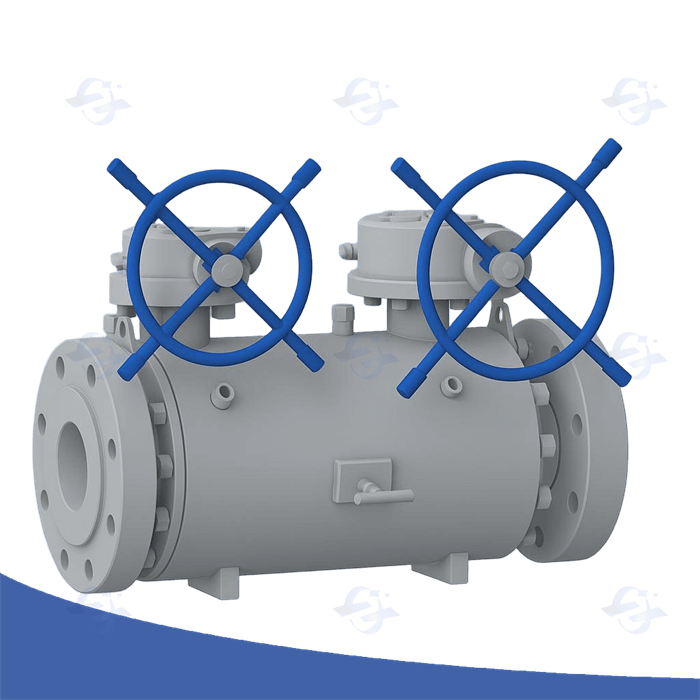
Forged valves are a critical component in industries such as oil & gas, petrochemical, power generation, and other high-pressure applications. The process of making forged valves is quite different from casting or machining, as it involves shaping metal through controlled pressure and heat. This process gives forged valves superior strength, durability, and resistance to fatigue compared to other types of valves.
Here’s a step-by-step guide on how forged valves are made:
1. Selecting the Material
The first step in making a forged valve is choosing the right material. Forged valves are typically made from high-strength metals such as carbon steel, alloy steel, stainless steel, or special alloys like Inconel or Monel, depending on the application. These materials are chosen for their ability to withstand high pressures, extreme temperatures, and corrosive environments.
Carbon Steel: For general industrial applications.
Stainless Steel: For corrosion resistance in industries like chemical processing.
Alloy Steels: For enhanced performance in high-pressure and high-temperature environments.
2. Forging the Valve Body
The core of the valve (the body) is created through the forging process. This is typically done in a forge shop where metal is heated to a high temperature and then shaped using mechanical force. The process involves:
Heating: The chosen metal is heated to a temperature above its recrystallization point, making it malleable. This is usually done in a furnace.
Hammering or Pressing: Once the metal is at the desired temperature, it's placed under a hammer or press. This pressure reshapes the metal into the rough form of the valve body. The most common methods include:
Drop Forging: The metal is struck by a large hammer, which causes it to form into a rough shape of the valve.
Upset Forging: A machine compresses the metal to increase its diameter, which is ideal for creating thicker sections like the valve's body or flanges.
Closed-die Forging: The heated metal is placed into a mold, which has a cavity shaped like the valve. The die is then closed, and pressure is applied to shape the valve body.
This forging process ensures that the grain structure of the metal is aligned, improving its strength, toughness, and overall mechanical properties.
3. Shaping the Valve Components
After the initial forging process, the valve body is further shaped into the final components. Depending on the valve type (e.g., ball valve, gate valve, globe valve), the components include:
Valve Body: This is the main structure of the valve that houses the internal components and connects to the pipe.
Valve Bonnet: This is the top portion of the valve, which covers the stem and often contains the actuator or handwheel.
Flanges: The edges of the valve body that are used to connect it to the pipeline.
Ports: The openings through which the fluid flows in and out of the valve.
At this stage, components like the valve stem, disc, or ball (depending on the type of valve) are often separately forged, then machined to the desired dimensions.
4. Heat Treatment
Forged valves undergo heat treatment to achieve the required mechanical properties, such as hardness, strength, and ductility. The heat treatment process involves:
Annealing: Heating the valve components to a specific temperature and then cooling them slowly to relieve internal stresses and improve ductility.
Quenching and Tempering: In some cases, the valve parts are quenched (rapidly cooled) in water or oil to harden the material, then tempered (heated to a lower temperature) to reduce brittleness and achieve the desired balance of strength and toughness.
Heat treatment helps to ensure that the forged valve has the necessary strength to withstand high-pressure and high-temperature environments.
5. Machining and Finishing
Once the forged components are heat-treated, they are sent to the machining department for further refinement. During this stage:
CNC Machining: Computer Numerically Controlled (CNC) machines are used to precisely cut and shape the forged metal into the final dimensions of the valve. This includes:
Drilling and boring: Creating the internal passages and ports.
Milling and turning: Shaping the outer surface and adding features such as flanges, threads, or grooves.
Surface Finishing: After machining, the valve may undergo surface treatments like grinding, polishing, or shot peening to remove imperfections and improve surface quality.
Inspection: After machining and finishing, each valve undergoes rigorous inspection to ensure it meets the required specifications. This can include dimensional checks, visual inspections, and non-destructive testing (NDT) methods such as ultrasonic testing, X-ray inspection, and magnetic particle testing to detect any internal flaws or defects.
6. Assembly and Integration
Once the valve body and internal components are fully machined, the valve is assembled. The assembly typically includes:
Installing the Stem and Packing: The valve stem is inserted into the valve body, along with packing materials that prevent leaks.
Attaching the Disc or Ball: The valve’s controlling mechanism (disc, ball, or gate) is placed inside the body, along with any seals or gaskets necessary for proper sealing.
Installing Actuators (if applicable): For automated valves, an actuator (pneumatic, hydraulic, or electric) is attached to the valve.
7. Testing and Quality Control
Before being released for shipment, forged valves are subjected to a series of tests to verify their functionality and safety:
Pressure Testing: The valve is tested to ensure it can handle the rated pressure without leakage or failure.
Leakage Tests: Valves undergo tests to verify that no fluid escapes when the valve is in the closed position.
Functionality Testing: The valve is opened and closed multiple times to ensure smooth operation and reliability.
8. Coating and Final Inspection
In some cases, valves undergo additional coating processes, such as painting or powder coating, to protect against corrosion, particularly in harsh environments. The final inspection includes checking the valve’s dimensions, surface finish, actuator functionality, and leak resistance.
Once all tests are passed, the forged valve is ready for packaging and shipment to customers.
Conclusion
The process of making forged valves involves several stages, including selecting the right material, forging the valve components, heat treating them for strength, machining them to precise dimensions, and testing for quality. The forging process itself enhances the strength and durability of the valve, making forged valves ideal for high-pressure, high-temperature applications. The result is a valve that is both reliable and long-lasting, meeting the rigorous demands of industrial systems.