 中文版
中文版  Spain
Spain  Arabic
 Russian
 Korean
 Thai
Thai vietnamese
 Persian
 Deutsch
 Türkce
 日本語
日本語
Trunnion vs Floating Ball Valve: The Complete Engineer’s Guide
Meta Description: Explore the ultimate engineer’s guide to trunnion-mounted and floating ball valves. Learn about pressure handling, valve materials, automation, safety standards, maintenance, and industrial applications to make informed decisions for pipelines and high-pressure systems.
As an engineer, choosing the right ball valve can make or break a system’s performance. From oil & gas pipelines to chemical plants and high-pressure steam systems, understanding the differences between trunnion-mounted and floating ball valves is crucial for safety, efficiency, and long-term reliability.
In this guide, we’ll explore everything you need to know: design principles, pressure ratings, material selection, automation, safety standards, installation, maintenance, and real-world performance.
1. Trunnion vs Floating Ball Valves: Basics
Before diving deep, let’s define the two main types:
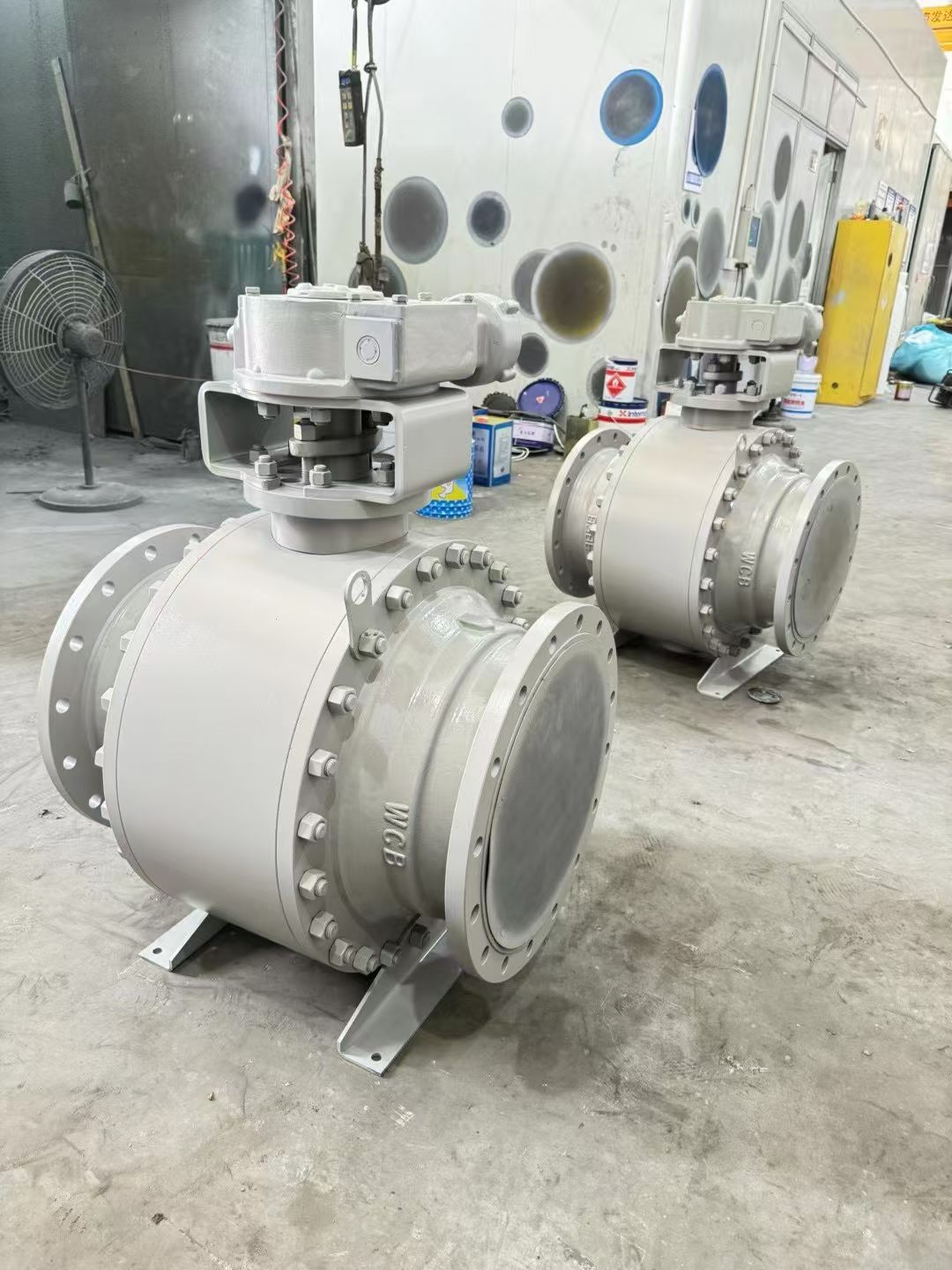
- Floating Ball Valve: The ball “floats” between the seats and is pushed against the downstream seat by line pressure. Ideal for low to medium pressure applications.
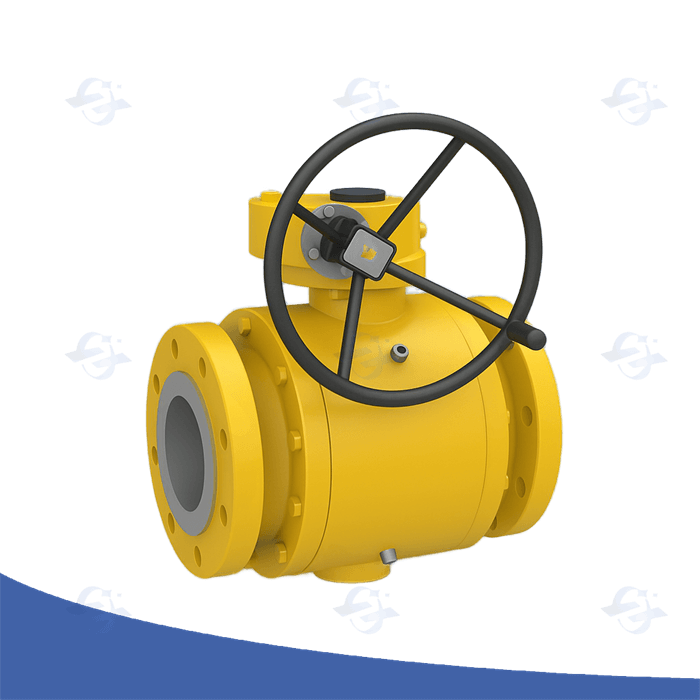
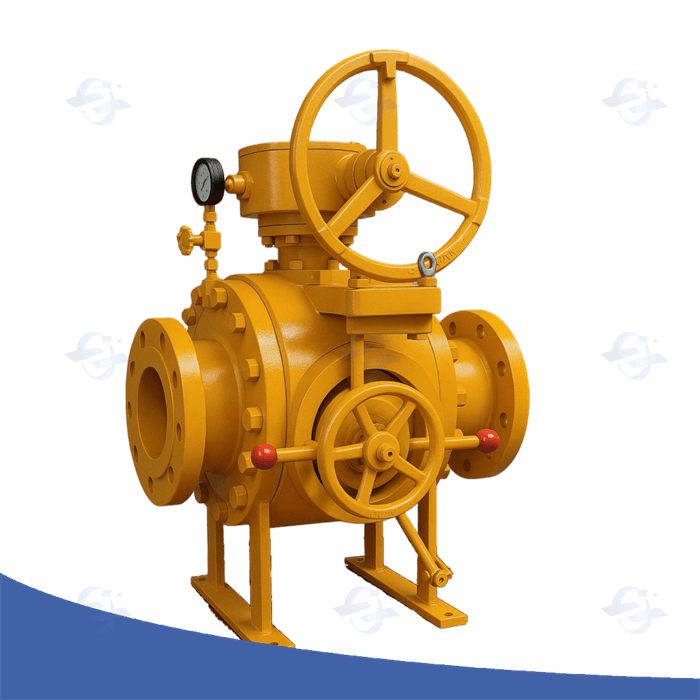
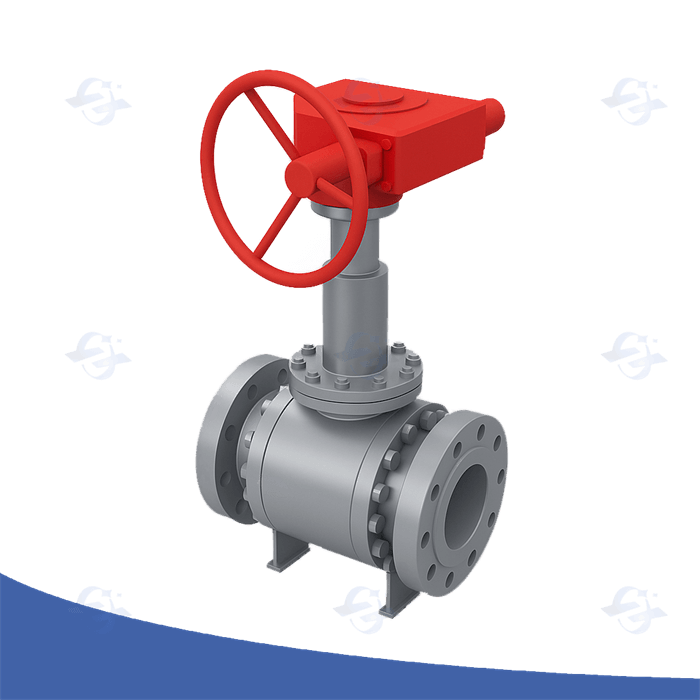
- Trunnion-Mounted Ball Valve: The ball is anchored at the top and bottom (trunnion), which reduces seat load and allows easy operation in high-pressure systems.
💡 Think of it like this: a floating ball is like a rubber ball in a sock—it moves under pressure. A trunnion ball is like a basketball fixed to a stand—it stays put no matter the force.
2. Pressure Handling and Size Considerations
| Feature | Floating Ball Valve | Trunnion Ball Valve |
|---|---|---|
| Pressure Range | Low to Medium | Medium to High |
| Typical Size | ≤ 6 inches | 2–48 inches+ |
| Operating Torque | Increases with pressure | Low, nearly constant |
| Ideal Applications | Water, gas, oil pipelines | Oil & gas, chemical plants, high-pressure steam |
Engineering Insight:
- Floating ball valves are sufficient for smaller pipelines or moderate pressures.
- For pressures above 1000 psi or large-diameter pipelines, trunnion-mounted valves reduce seat stress, maintain consistent torque, and improve safety.
3. Valve Material Selection and Corrosion Resistance
Choosing the right material is just as important as the valve type. Common options:
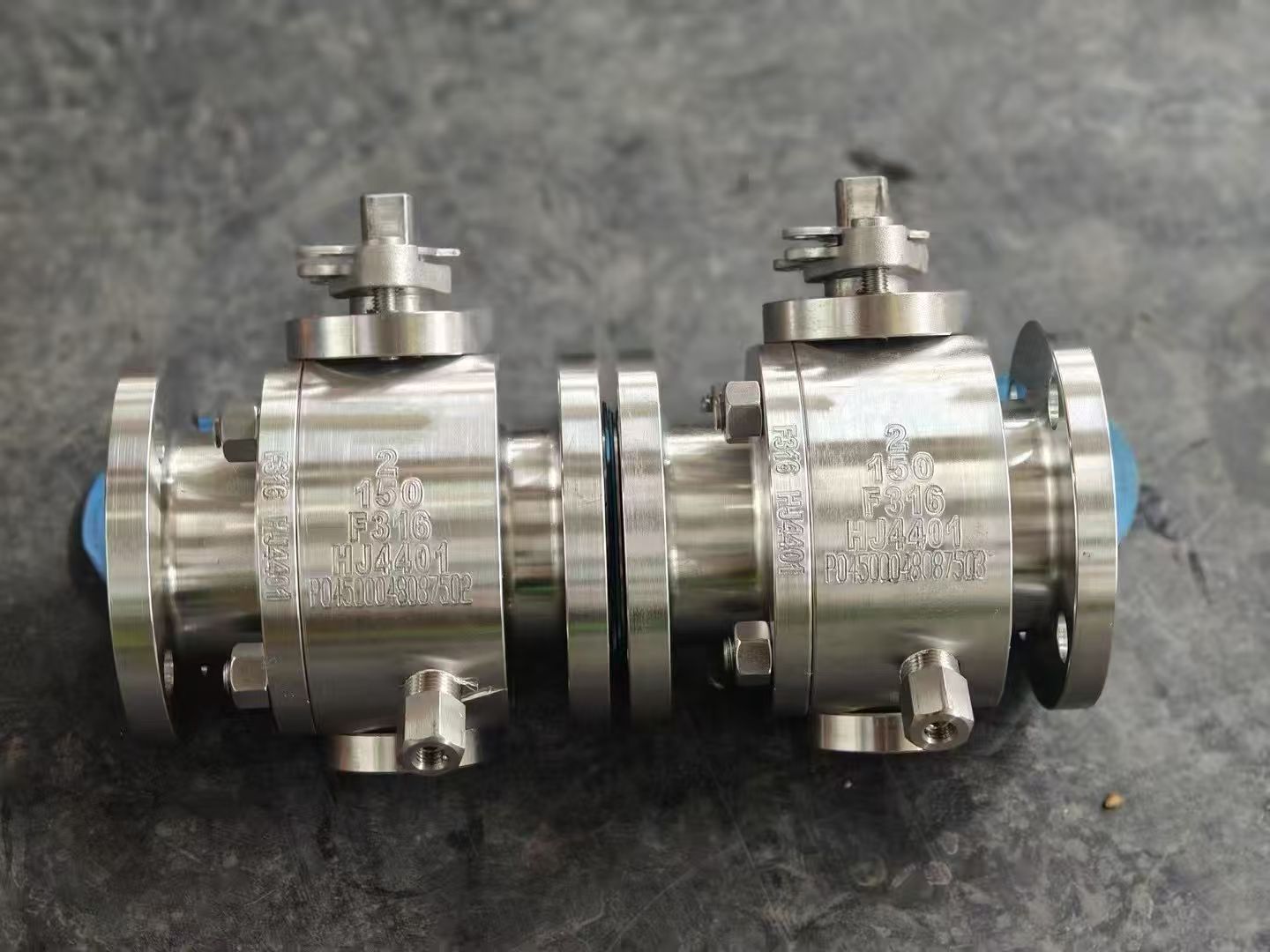
- F316 Stainless Steel: Excellent corrosion resistance for chemical and offshore applications.
- F304 Stainless Steel: Suitable for general service, moderate corrosion.
- Inconel & Duplex Alloys: For high-temperature or highly corrosive environments.
💡 Engineers must consider both fluid properties and operating conditions. A properly selected material ensures long service life and minimizes downtime.
4. Safety Standards and Compliance
High-pressure systems demand compliance with international standards:
- API 6D: Pipeline ball valve specification.
- ANSI/ASME B16.34: Pressure-temperature ratings.
- ISO 17292: Design and testing for soft-seated and metal-seated valves.
💡 Trunnion-mounted valves are preferred in hazardous media due to predictable seat load and reliable shut-off, reducing the risk of leakage or operational failure.
5. Maintenance and Lifecycle Cost
| Aspect | Floating Ball Valve | Trunnion Ball Valve |
|---|---|---|
| Maintenance Frequency | Higher under high pressure | Lower |
| Seat Replacement | More frequent | Less frequent |
| Initial Cost | Lower | Higher |
| Lifecycle Cost | Moderate to high | Often lower due to reliability |
Pro Tip: Consider total cost of ownership, not just purchase price. Trunnion valves may cost more upfront but reduce maintenance downtime and long-term costs, especially in industrial and high-pressure applications.
6. Installation and Operational Tips
- Ensure proper flow direction for floating valves.
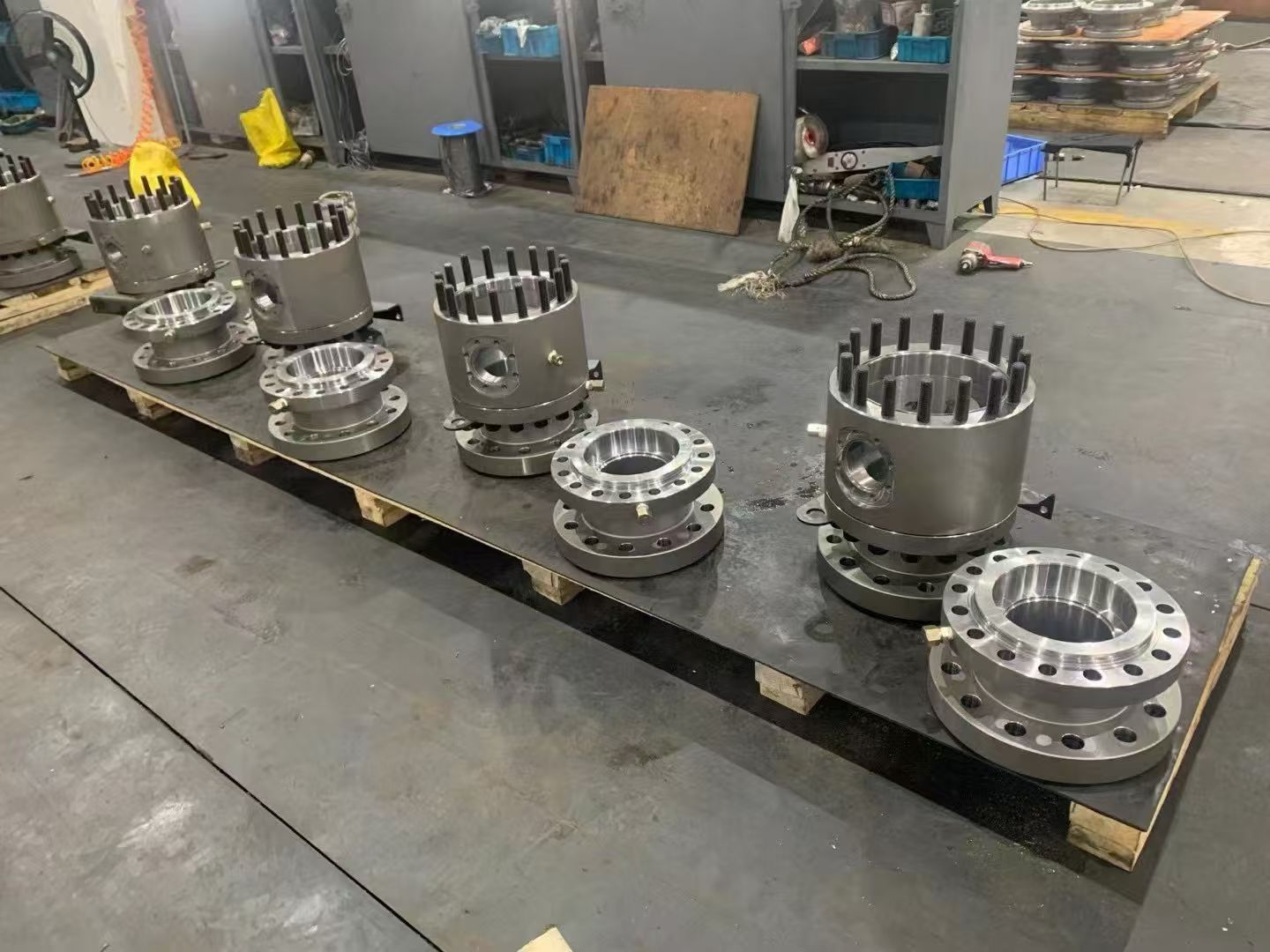
- Provide adequate support for large-diameter trunnion valves.
- Check actuator torque ratings for automated installations.
- Schedule routine inspections for seat wear, especially in abrasive media systems.
7. Real-World Applications and Case Studies
Case Study 1:
In a refinery pipeline, trunnion-mounted valves maintained leak-free operation under 1500 psi, while floating valves required more frequent adjustments.
Case Study 2:
A chemical plant using F316 trunnion valves for corrosive acid media experienced zero downtime for 3 years, highlighting the importance of material and design choice.
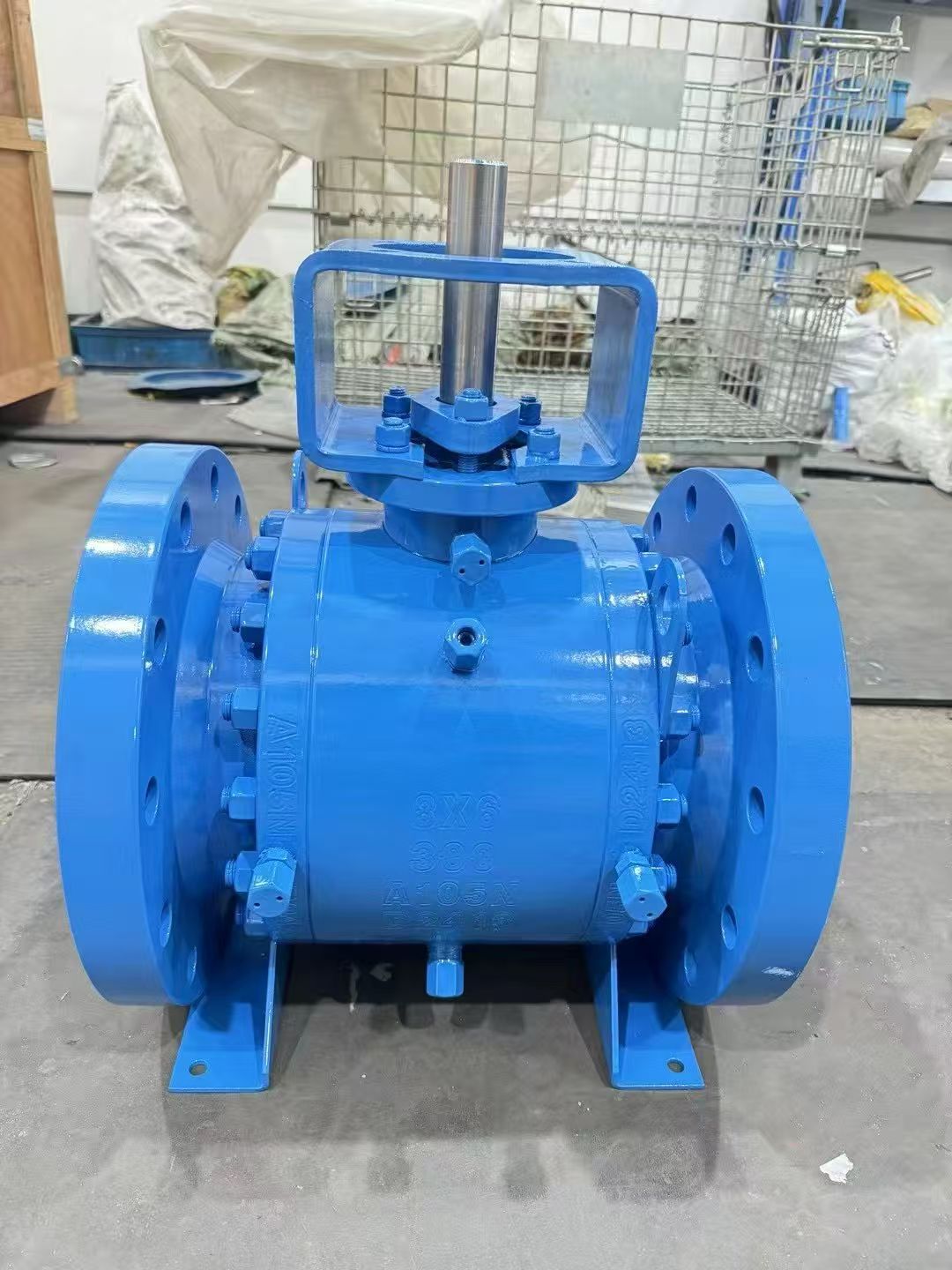
8. Conclusion: Choosing the Right Valve
Selecting between floating and trunnion ball valves goes beyond technical specs—it’s about system pressure, pipeline size, material compatibility, automation needs, and maintenance strategy.
✅ Engineer’s Advice:
- Use floating ball valves for smaller, low-pressure systems.
- Choose trunnion-mounted valves for high-pressure, large-scale, or hazardous applications.
- Consider material, actuator compatibility, safety standards, and lifecycle costs in your decision-making.
For reliable, high-quality valves engineered for performance, explore Yixin Valves—designed with engineers in mind.