 中文版
中文版  Spain
Spain  Arabic
 Russian
 Korean
 Thai
Thai vietnamese
 Persian
 Deutsch
 Türkce
 日本語
日本語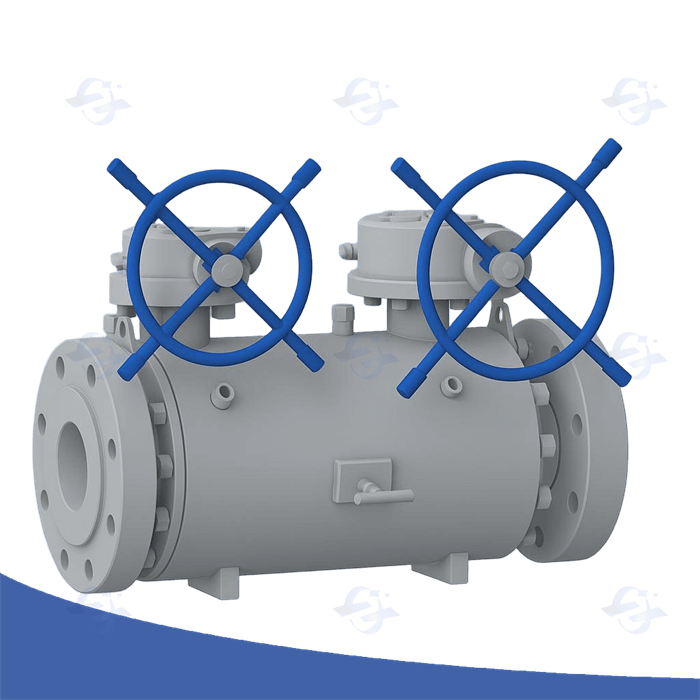
Selecting the right ball valve for high-pressure applications is crucial to ensuring the safety, efficiency, and reliability of your system. Whether you're working with industrial fluid systems, oil and gas pipelines, or power plants, understanding the different types of ball valves and their features can make a significant difference. In this guide, we will walk you through key factors to consider when selecting a ball valves , provide expert advice, and introduce YIXIN’s high-performance ball valves for your high-pressure needs.
1. Understand Your Pressure Requirements
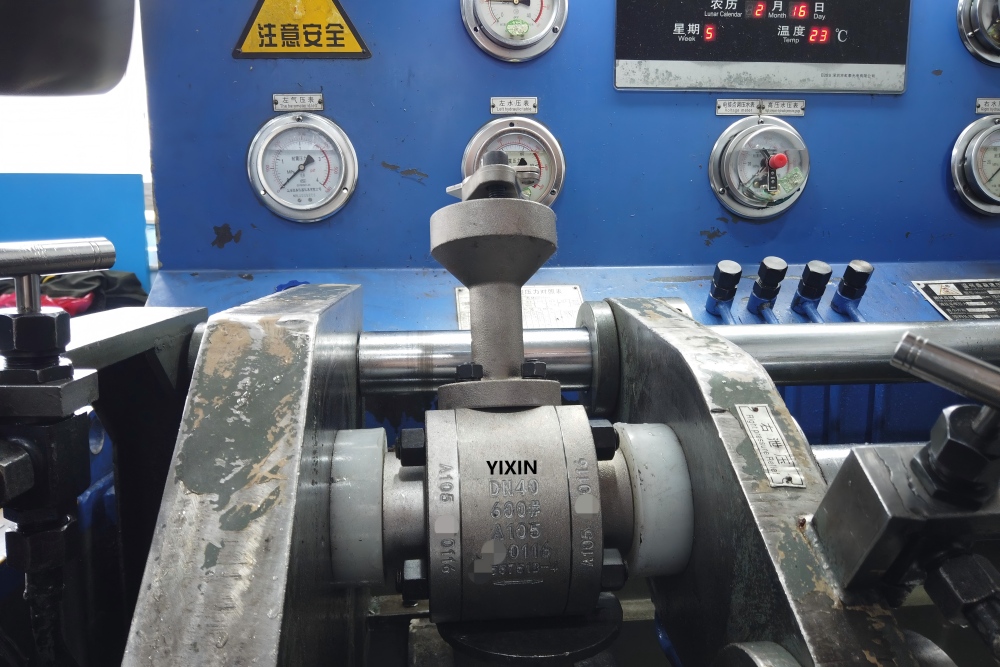
When selecting a ball valves for high-pressure applications, the first step is to understand the operating pressure of your system. Ball valves are rated for various pressure classes, such as ANSI 150, ANSI 300, and ANSI 600. To ensure safe and reliable performance, you need to select a valve that can withstand the pressure your system will experience.
For high-pressure systems (over 150 psi), consider choosing ball valves rated for higher pressure classes, such as ANSI 600 or higher. These valves are designed for extreme conditions and ensure that your system operates without failure.
For detailed information on pressure ratings and their impact on valve selection, refer to our article on Pressure Ratings in Valve Selection.
2. Material Selection for Corrosion Resistance
In high-pressure systems, the material of the ball valve is critical, especially when dealing with corrosive fluids or harsh environments. Stainless steel, carbon steel, and alloy steel are the most common materials for ball valves used in high-pressure applications due to their durability and corrosion resistance.
Stainless steel, in particular, is highly recommended for its excellent resistance to corrosion and ability to perform in extreme environments. However, if your application involves highly corrosive fluids or extreme temperatures, specialized alloys or coatings may be necessary.
Learn more about material selection and corrosion resistance in our article Corrosion Resistance in Valve Materials.
3. Valve Design and Leak Prevention
The design of the ball valve plays a pivotal role in its effectiveness in high-pressure applications. The valve should feature a blowout-proof stem design, ensuring that the stem remains securely in place under high pressure, preventing leaks and maintaining system integrity.
In hazardous environments, fire-safe valves are essential. These valves are designed to prevent leakage even in the event of a fire, thus minimizing the risk of accidents in critical applications.
Explore more on valve designs for hazardous environments in our detailed blog Choosing the Right Valve Design for Hazardous Environments.
4. Sealing and Performance
The sealing mechanism of a ball valve is crucial for maintaining its integrity under high pressure. High-quality seals are essential for preventing leaks and ensuring long-term performance. Fluoropolymer seals are a popular choice in high-pressure applications because of their superior sealing properties and resistance to chemicals.
Moreover, choosing a valve with low torque operation is critical for ease of use, especially under high-pressure conditions. Low torque means the valve is easier to operate, leading to better performance and fewer maintenance issues over time.
5. Maintenance and Long-Term Durability
High-pressure systems require valves that are durable and easy to maintain. When choosing a ball valves , look for one with replaceable seals and a robust design that can withstand frequent operation under high-pressure conditions.
By choosing a valve that offers easy access to internal components, you can reduce downtime and perform maintenance with minimal hassle. This feature is particularly beneficial in critical applications where system reliability is paramount.
YIXIN Products: High-Performance Ball Valves for High-Pressure Applications
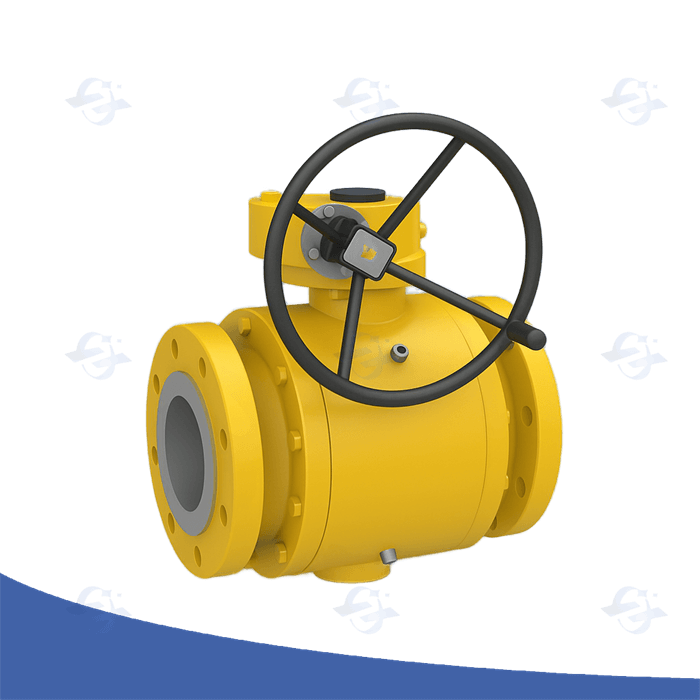
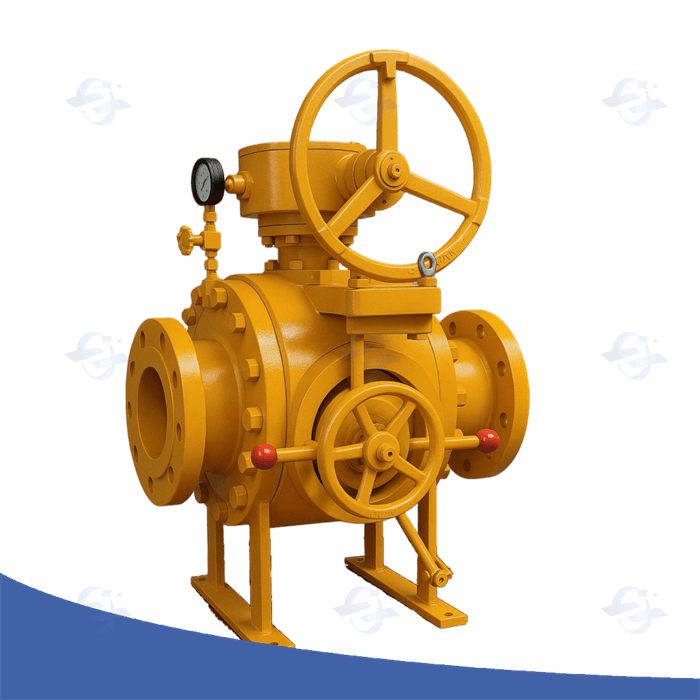
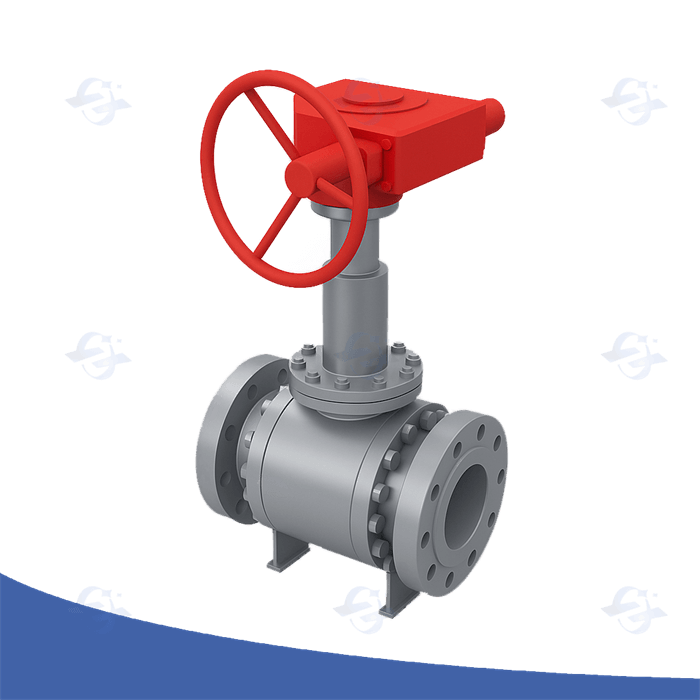
At YIXIN, we specialize in providing high-quality ball valves for high-pressure applications across a variety of industries. Our ball valves are designed for durability, efficiency, and long-term performance, ensuring that your systems operate smoothly under even the most demanding conditions.
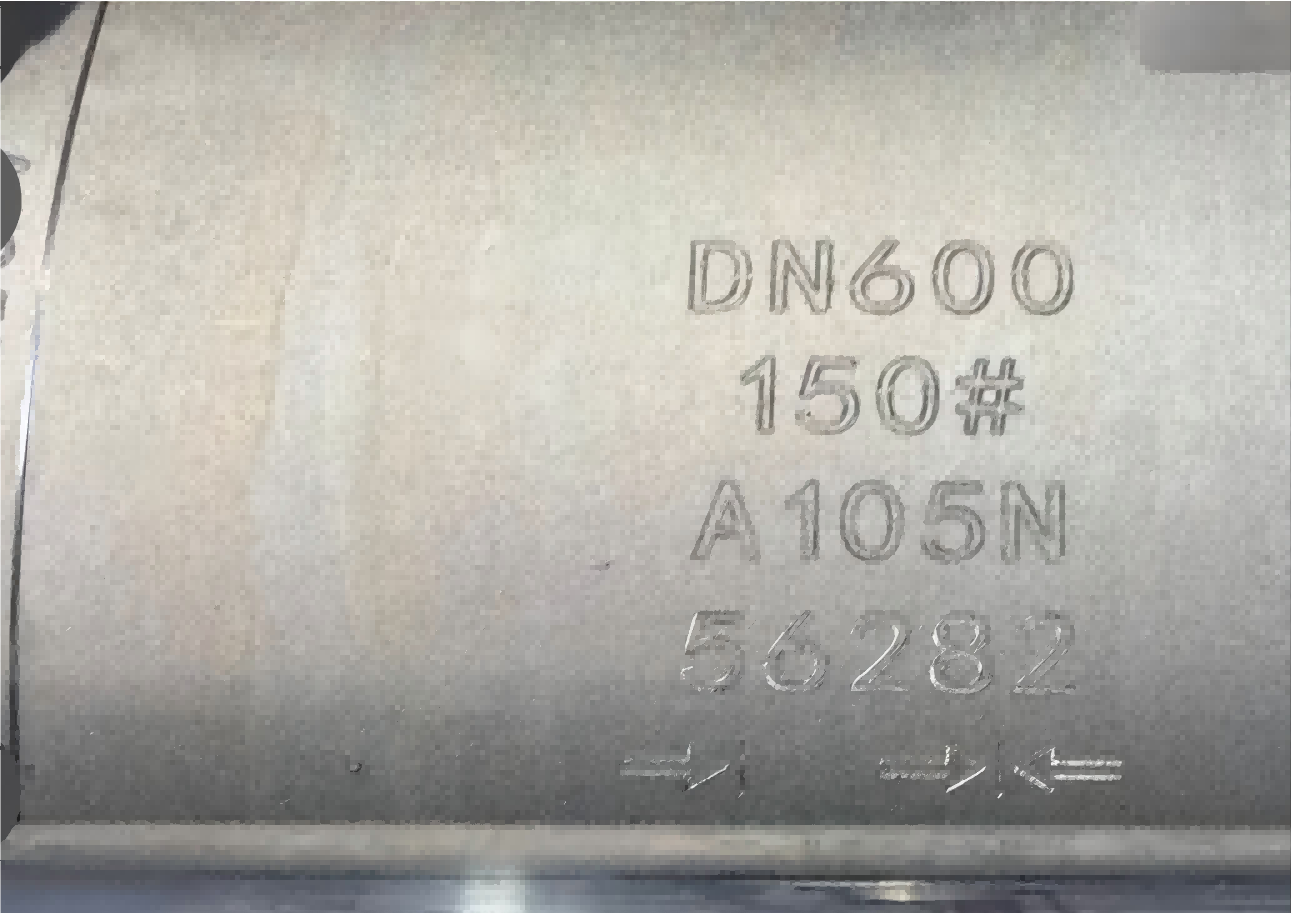
· ANSI 150 to ANSI 600 Rated Ball Valves: Our valves are available in various pressure ratings to meet your specific operational requirements, from standard to high-pressure systems.
· Corrosion-Resistant Stainless Steel and Alloy Steel Valves: We offer valves made from premium materials such as stainless steel and specialized alloys, perfect for harsh and corrosive environments.
· Blowout-Proof and Fire-Safe Designs: Our valves come with advanced safety features, including blowout-proof stems and fire-safe designs, providing maximum security in high-pressure and hazardous environments.
If you’re looking for a reliable ball valve for your high-pressure system, explore our range of products and get in touch with us for a personalized recommendation. Request a Quote Today!
Frequently Asked Questions (FAQ)
1. What is the difference between ANSI 150 and ANSI 600 ball valves?
· ANSI 150-rated ball valves are designed for lower-pressure systems, whereas ANSI 600 valves are rated for much higher pressure and are typically used in more demanding applications. The ANSI rating indicates the pressure tolerance of the valve, and the higher the rating, the better the valve can withstand high-pressure conditions.
2. What materials are best for ball valves in corrosive environments?
· Stainless steel is the most commonly used material due to its excellent corrosion resistance. However, for highly corrosive fluids or extreme environments, materials such as duplex stainless steel or nickel-based alloys may be required.
3. How do I know if my system requires fire-safe ball valves?
· If your application involves flammable fluids, gas, or is located in an area with a risk of fire, it is highly recommended to use fire-safe ball valves. These valves are designed to contain fluids and prevent leaks, even under extreme fire conditions.
4. How do I maintain ball valves in high-pressure systems?
· Regular maintenance includes inspecting the seals, lubricating moving parts, and checking for any signs of wear. Ensure that the valve's seals are replaced regularly and that the valve body is cleaned and maintained to extend its lifespan.
5. Can YIXIN provide custom ball valves for my specific high-pressure application?
· Yes, we offer tailored solutions for specific applications. Our team can assist you in selecting the perfect valve based on your system's pressure requirements, fluid type, and environmental factors. Contact us for custom solutions!
Conclusion
Choosing the right ball valve for high-pressure applications is critical for ensuring the safety, efficiency, and longevity of your systems. By understanding pressure ratings, material selection, valve design, sealing, and maintenance, you can make an informed decision. At YIXIN, we provide high-quality, durable, and reliable ball valves designed to meet the demands of high-pressure systems.
If you need more information or would like to discuss your project requirements, don’t hesitate to contact us for expert guidance and a customized solution.