 中文版
中文版  Spain
Spain  Arabic
 Russian
 Korean
 Thai
Thai vietnamese
 Persian
 Deutsch
 Türkce
 日本語
日本語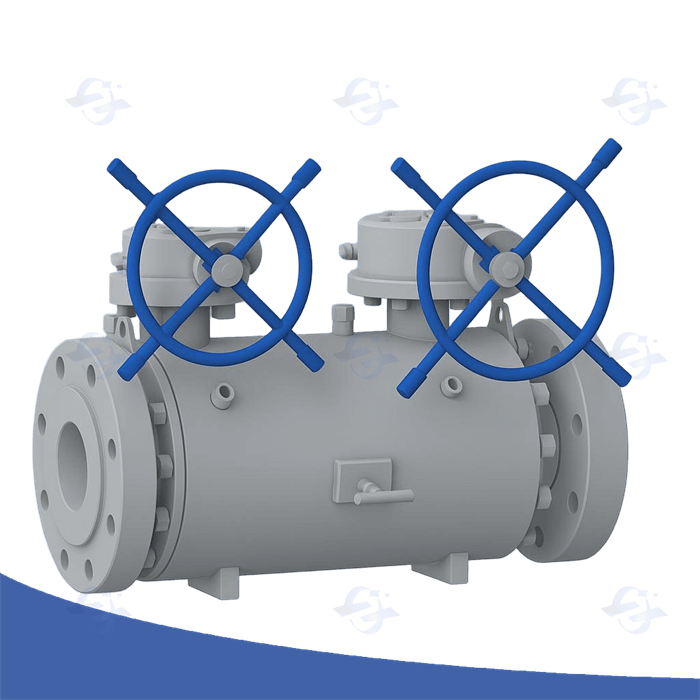
A pneumatic ball valve is a type of ball valve that is operated by a pneumatic actuator. It is commonly used in systems that require remote or automated control of fluid flow, particularly where fast, reliable, and efficient operation is necessary. Pneumatic ball valves combine the straightforward operation of a ball valve with the benefits of pneumatic actuation, offering precise control over fluid or gas flow in various industrial applications.
Key Features and Components:
1. Ball Valve Mechanism:
l A ball valve uses a hollow, perforated ball to control the flow of fluid through a pipe. The ball is rotated by a stem, allowing it to either fully open, fully close, or regulate the flow depending on the desired position.
l The ball valve is known for its simple design, tight sealing, and ability to handle high-pressure and high-temperature fluids.
2. Pneumatic Actuator:
l The actuator is the key feature that distinguishes a pneumatic ball valve from a standard manual ball valve. A pneumatic actuator uses compressed air to move the ball inside the valve.
l Pneumatic actuators can be single-acting (using air pressure to either open or close the valve, with a spring return mechanism) or double-acting (requiring air pressure to both open and close the valve).
3. Control System:
l Pneumatic ball valves are often integrated into an automated control system, which can include sensors, controllers, and positioners. These systems allow for precise flow regulation and remote control of the valve's position.
4. Seal and Materials:
l Pneumatic ball valves are often constructed from corrosion-resistant materials like stainless steel, carbon steel, or alloys, with seals made of elastomers or PTFE to provide tight sealing and prevent leaks.
How Pneumatic Ball Valves Work:
·
l Opening: When compressed air is supplied to the actuator (depending on whether it’s a single-acting or double-acting actuator), the pneumatic force rotates the ball valve from a closed to an open position, allowing fluid or gas to flow through the valve.
l Closing: When the air supply is cut off or reversed (depending on the actuator type), the valve closes, stopping the flow of fluid.
l The ball has a hole (port) through its center, which aligns with the pipeline when the valve is open, and it blocks the flow when the valve is closed.
Advantages of Pneumatic Ball Valves:
1. Fast Operation: Pneumatic ball valves are known for their rapid opening and closing actions, making them ideal for processes that require quick shut-off, such as emergency shutdown systems.
2. Automation: Pneumatic ball valves are typically used in automated systems where remote operation is required. Pneumatic actuators can be connected to control systems that allow for real-time adjustments to flow, pressure, and temperature.
3. High Pressure and Temperature Resistance: Pneumatic ball valves can withstand high pressures and temperatures, making them suitable for use in demanding industries like oil & gas, chemical processing, and power generation.
4. Reliability: Ball valves are simple in design and, when properly maintained, are highly reliable for long-term use, offering tight seals and minimal wear over time.
5. Safety: Pneumatic actuators often include spring return mechanisms, meaning that if air supply fails, the valve can automatically return to a default position (usually closed), helping to prevent accidents or system failures.
6. Compact Design: Pneumatic actuators allow for a more compact valve assembly compared to manually operated valves, making them easier to fit into tight spaces in industrial systems.
Applications of Pneumatic Ball Valves:
Pneumatic ball valves are used in various industries where efficient control of fluid or gas flow is necessary. Some typical applications include:
1. Chemical and Petrochemical Industries: For controlling the flow of hazardous, corrosive, or viscous fluids.
2. Oil & Gas: In upstream, midstream, and downstream operations where fast shut-off and reliable sealing are critical.
3. Water Treatment: In systems where precise control over the flow of water and chemicals is required.
4. Power Generation: For regulating steam, water, or fuel flows in power plants.
5. Food & Beverage: For controlling the flow of liquids and gases in processing systems while maintaining sanitary conditions.
6. Pharmaceuticals: In sterile environments where precise and reliable flow control is essential.
Disadvantages of Pneumatic Ball Valves:
1. Dependence on Air Supply: Pneumatic actuators require a constant source of compressed air. If the air supply fails, the valve may not operate as intended, unless equipped with a backup spring return or manual override.
2. Energy Costs: The need for compressed air can add energy costs to the system, particularly if the air supply is not efficiently managed.
3. Size Limitations: While pneumatic ball valves are suitable for many applications, very large valves may require larger or more powerful actuators, making the system bulkier and potentially less cost-effective.
Conclusion:
A pneumatic ball valve is an excellent solution for applications where fast, reliable, and automated control of fluid flow is necessary. By combining the robust, reliable design of a ball valve with the automation capabilities of a pneumatic actuator, these valves provide a powerful tool for industries requiring precise flow control and quick shutoff under demanding conditions. However, they must be used in systems where compressed air is available and properly managed to ensure consistent operation.