 中文版
中文版  Spain
Spain  Arabic
 Russian
 Korean
 Thai
Thai vietnamese
 Persian
 Deutsch
 Türkce
 日本語
日本語
Pressure Test Methods for Various Industrial Valves
1. Introduction
Pressure testing is a crucial process to verify the integrity, safety, and performance of industrial valves before installation and during maintenance. These tests ensure that valves can withstand the operating pressures without leakage or failure. Depending on the valve type, application, and industry standards, different pressure testing methods are applied.
2. Common Pressure Test Methods
2.1 Hydrostatic Testing
-
Description: The valve is filled with water or another incompressible fluid and pressurized above its maximum operating pressure, commonly 1.5 times the design pressure.
-
Purpose: To check the valve body and seat for leaks and structural integrity under pressure.
-
Advantages: Water's incompressibility makes the test safe and effective in revealing leaks.
-
Procedure:
-
Close the valve and fill its internal cavity with water.
-
Gradually increase the pressure to the specified test level.
-
Maintain pressure for a set period (usually 10-30 minutes).
-
Inspect for leaks and pressure drop.
-
2.2 Pneumatic Testing
-
Description: Uses compressed air or inert gases (like nitrogen) instead of water.
-
Purpose: Applied when water testing is impractical due to temperature or contamination concerns.
-
Safety Note: Pneumatic testing is more hazardous due to stored energy and requires strict safety precautions.
-
Procedure:
-
Pressurize the valve with air/gas to the required level.
-
Detect leaks using soap solutions, ultrasonic detectors, or pressure decay methods.
-
2.3 Seat Leakage Testing
-
Description: Evaluates the valve’s ability to prevent leakage past the seat when closed.
-
Purpose: Ensures tight shut-off performance.
-
Procedure:
-
Apply pressure on one side of the closed valve.
-
Measure the leakage flow rate or volume against allowed standards (e.g., API 598).
-
2.4 Bubble Leak Testing
-
Description: A low-pressure gas is introduced inside the valve while the external surfaces are coated with a soap solution.
-
Purpose: To detect small leaks visually through bubble formation.
-
Use Case: Often used for fine leak detection after other tests.
3. Pressure Testing Requirements by Valve Type
| Valve Type | Test Method | Shell Test Pressure | Seat Test Pressure | Standards Reference |
|---|---|---|---|---|
| Gate Valve | Hydrostatic + Seat | 1.5× Design Pressure | 1.1× Design Pressure | API 600, API 598 |
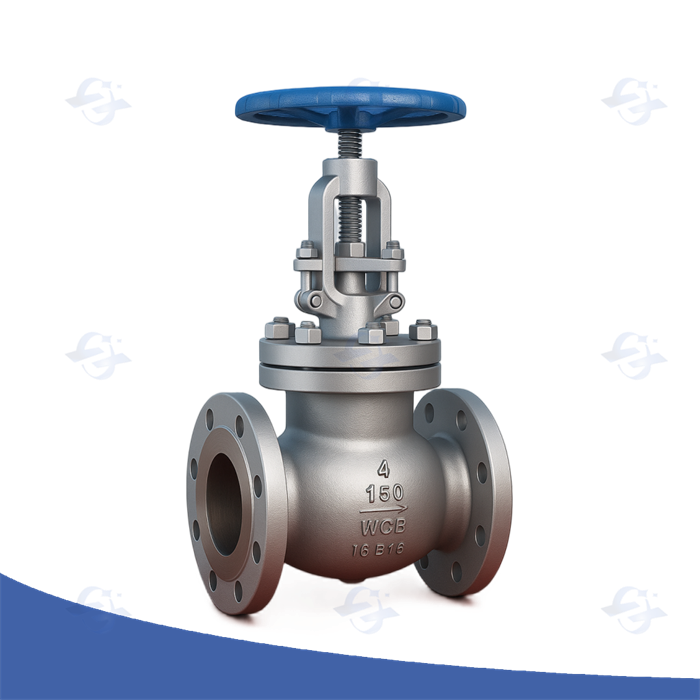
| Globe Valve | Hydrostatic + Seat | 1.5× Design Pressure | 1.1× Design Pressure | ASME B16.34 |
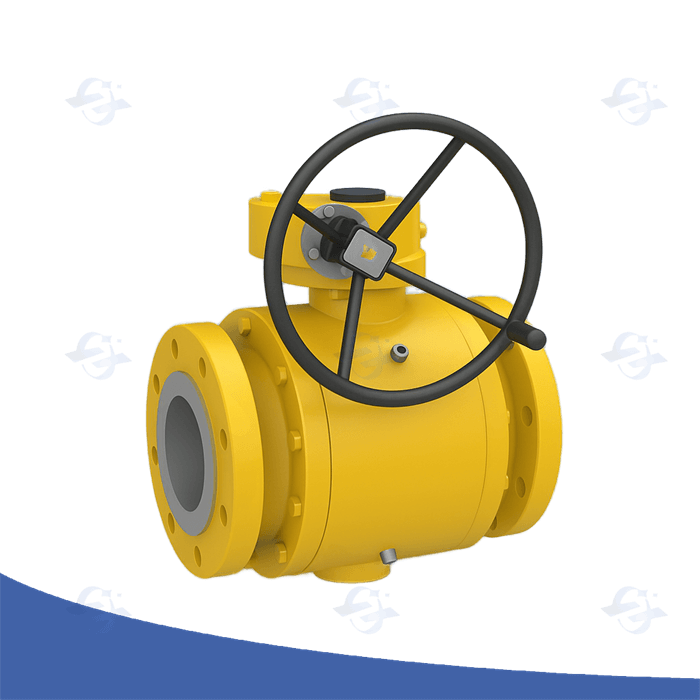
| Ball Valve | Hydrostatic + Seat | 1.5× Design Pressure | 1.1× Design Pressure | API 6D, API 598 |
| Butterfly Valve | Hydrostatic (Seat optional) | 1.5× Design Pressure | Optional | API 609, EN 593 |
| Check Valve | Hydrostatic | 1.5× Design Pressure | N/A | API 6D, API 598 |
4. Industry-Specific Considerations
-
Oil & Gas: Valves are subject to rigorous hydrostatic and seat leakage testing, with full traceability and certification.
-
Power Generation: Additional testing may include thermal shock and cyclic pressure tests for steam valves.
-
Chemical Industry: Tests include compatibility checks with corrosive fluids and sealing integrity under aggressive conditions.
-
Water Treatment: Focus on durability and consistent sealing under varying pressures and flow conditions.
5. Best Practices for Pressure Testing
-
Adhere strictly to manufacturer and industry standards for pressure levels and test durations.
-
Use clean test fluids and ensure all equipment is properly calibrated.
-
Apply safety protocols, especially during pneumatic testing due to higher risk.
-
Document all test results for quality assurance and traceability.
6. Conclusion
Pressure testing is essential for validating valve performance and ensuring operational safety. Selecting the appropriate test method and following standardized procedures safeguards equipment longevity and protects personnel and environments.
At YIXIN, we implement comprehensive pressure testing aligned with international standards to deliver valves that meet the highest quality and reliability requirements.