 中文版
中文版  Spain
Spain  Arabic
 Russian
 Korean
 Thai
Thai vietnamese
 Persian
 Deutsch
 Türkce
 日本語
日本語
The History of Valves – From Ancient Ingenuity to Modern Engineering
Valves are essential components in countless industries today, controlling the flow of liquids, gases, and slurries with precision. But while modern valves are advanced pieces of engineering, the concept of controlling fluid flow dates back thousands of years. Let’s take a journey through the fascinating history of valves, from their ancient origins to the high-performance designs we rely on today.
Ancient Beginnings – The First Valves
The earliest “valves” were not the metal devices we know today. Around 2000 BC, ancient civilizations like Egypt, Rome, and China used stone plugs, wooden stoppers, and simple flap gates to control water flow in irrigation systems.
-
Egyptians: Used primitive valves to divert Nile water for farming.
-
Romans: Developed early bronze plug valves for their aqueducts and baths.
-
Chinese: Built bamboo-based water control devices for rice field irrigation.
These early designs were purely manual, but they laid the foundation for fluid control technology.
The Middle Ages – Advancing Craftsmanship
During the Middle Ages, metallurgy improved, allowing for stronger and more precise valve components.
-
Brass and bronze became popular materials due to their corrosion resistance.
-
Valves began to be used in mechanical water clocks, fountains, and brewing systems.
-
Artisans created early versions of gate valves and check valves for water and air control.
The Industrial Revolution – The Birth of Modern Valves
The 18th and 19th centuries marked a turning point. The rapid growth of steam engines, factories, and ships demanded more reliable and pressure-resistant valves.
-
James Watt’s steam engine popularized high-pressure valves with safety features.
-
The introduction of cast iron and steel enabled valves to withstand greater pressures and temperatures.
-
New designs like the globe valve, butterfly valve, and ball valve emerged.
Valves became critical not only for water but for steam, oil, and gas—paving the way for modern industry.
20th Century – Innovation and Specialization
In the 20th century, valve technology diversified to meet the needs of various industries:
-
Petrochemical and oil & gas industries required valves that could handle corrosive fluids.
-
Power generation demanded valves for high-temperature steam systems.
-
Sanitary valves were developed for the food, beverage, and pharmaceutical industries.
-
Automation entered the scene with electric and pneumatic actuators replacing manual handles.
This was also when standards and certifications were established, ensuring global compatibility and safety.
21st Century – Smart and Sustainable Valves
Today’s valves are not just mechanical devices—they are smart, automated, and connected.
-
Smart valves can be remotely monitored and controlled via IoT (Internet of Things).
-
Materials like superalloys, PTFE, and advanced ceramics allow valves to handle extreme conditions.
-
Environmental considerations have led to low-leakage, energy-efficient designs.
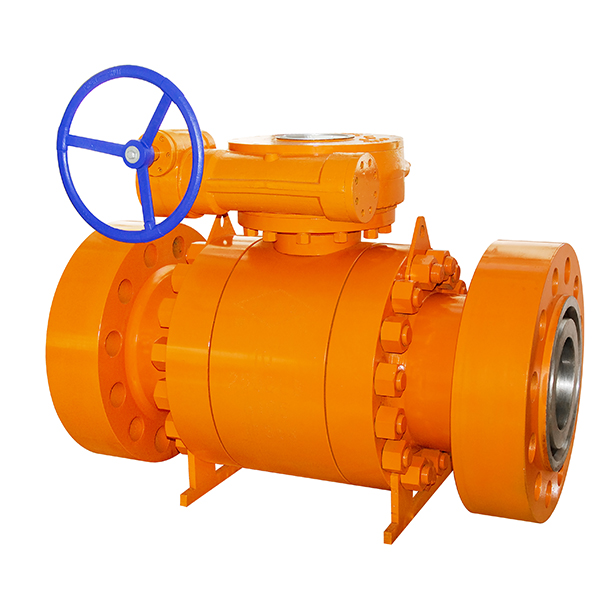
Modern valves are used in everything from nuclear plants and offshore rigs to home heating systems and medical equipment.
Conclusion – From Simple Plugs to Intelligent Flow Control
The evolution of valves reflects the progress of human civilization itself—starting from simple water control in ancient times to precision-engineered, automated systems in the modern era. Whether in agriculture, industry, or everyday life, valves remain a quiet but indispensable part of our world.