 中文版
中文版  Spain
Spain  Arabic
 Russian
 Korean
 Thai
Thai vietnamese
 Persian
 Deutsch
 Türkce
 日本語
日本語
What is a Three-Way Valve? – Complete Guide
1. Introduction
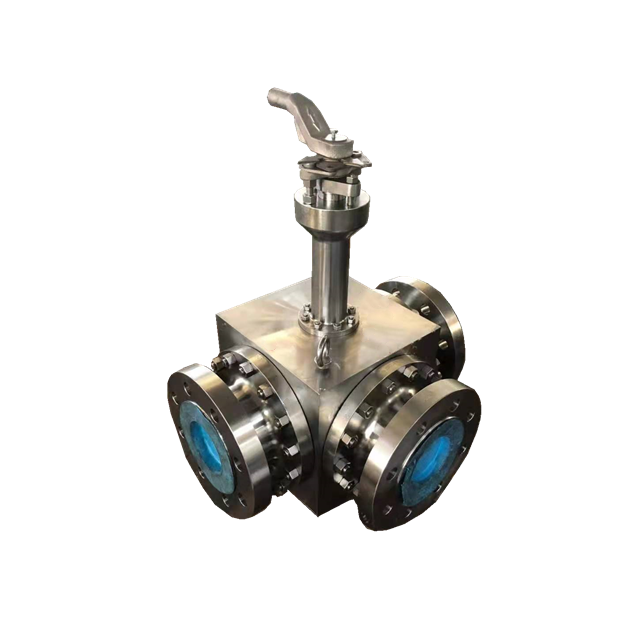
A three-way valve is a type of flow control device with three ports used to mix, divert, or distribute fluid in a piping system.
Unlike standard two-way valves that simply start or stop flow in one direction, three-way valves can direct fluid between different flow paths — making them a versatile solution in heating, cooling, industrial process, and fluid mixing applications.
At YIXIN, we design three-way valves that offer precision control, long service life, and compatibility with various fluids, from water and steam to oil, gas, and chemicals.
2. How a Three-Way Valve Works
A three-way valve has:
-
Three ports – typically labeled A, B, and C (or 1, 2, and 3).
-
A movable closure element (ball, plug, or disc) – controls how fluid flows between ports.
-
Actuation method – can be manual (lever or handwheel) or automated (electric, pneumatic, or hydraulic actuator).
By changing the internal position of the valve’s closure element, the flow can be:
-
Diverted – from one inlet to either of two outlets.
-
Mixed – combining two inlets into a single outlet.
-
Switched – directing flow alternately between two circuits.

3. Common Flow Configurations
-
T-Port
-
Looks like a “T” inside the valve.
-
Can connect all three ports or selectively connect two at a time.
-
Used for mixing or diverting.
-
-
L-Port
-
Looks like an “L” inside the valve.
-
Directs flow from one inlet to either of two outlets, but does not connect all three ports at once.
-
Common in flow diversion.

4. Key Advantages
-
Versatility – One valve can perform multiple functions (mixing, diverting, switching).
-
Space Saving – Replaces multiple valves and fittings with one compact unit.
-
Reduced Leakage Points – Fewer joints mean lower leakage risk.
-
Cost Efficiency – Less piping, fewer connections, and reduced installation time.
-
Automation Ready – Easily fitted with electric or pneumatic actuators.
5. Applications
Three-way valves are found in a wide range of systems:
-
HVAC Systems – Switching flow between heating and cooling circuits, mixing return and supply water for temperature control.
-
Industrial Processes – Directing materials to different tanks or equipment.
-
Water Treatment Plants – Controlling multiple inlet or outlet lines.
-
Oil & Gas – Routing process streams to different pipelines.
-
Food & Beverage Industry – Mixing ingredients or switching between processing lines.
-
Chemical Plants – Handling corrosive fluids with precision flow routing.
6. Types of Three-Way Valves
-
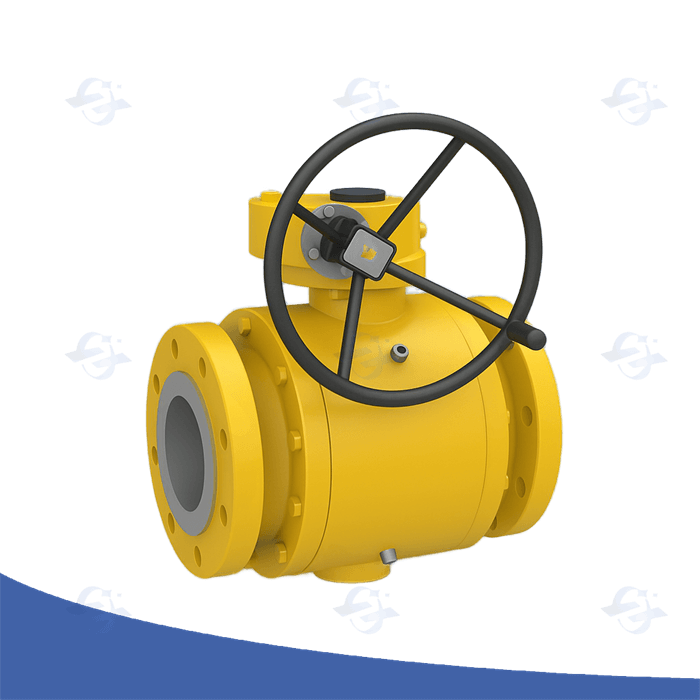
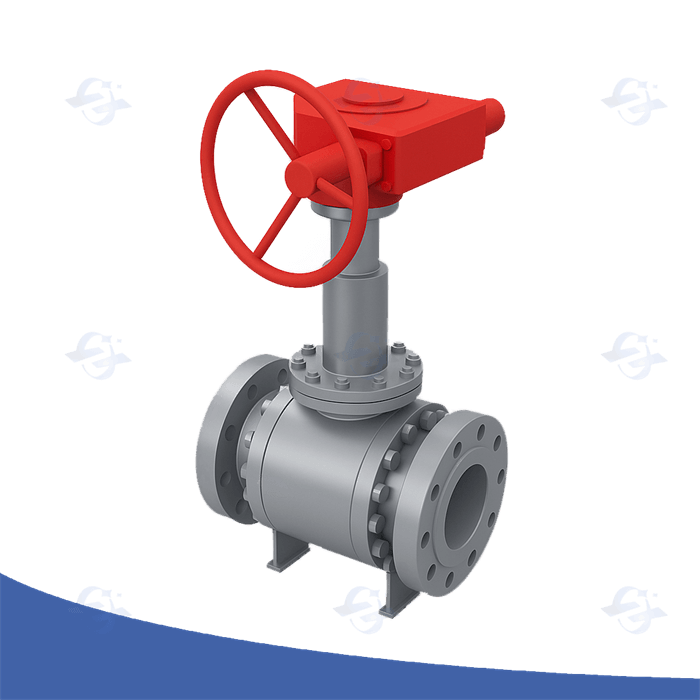
Three-Way Ball Valve – Quick quarter-turn operation, suitable for on/off and basic flow switching.
-
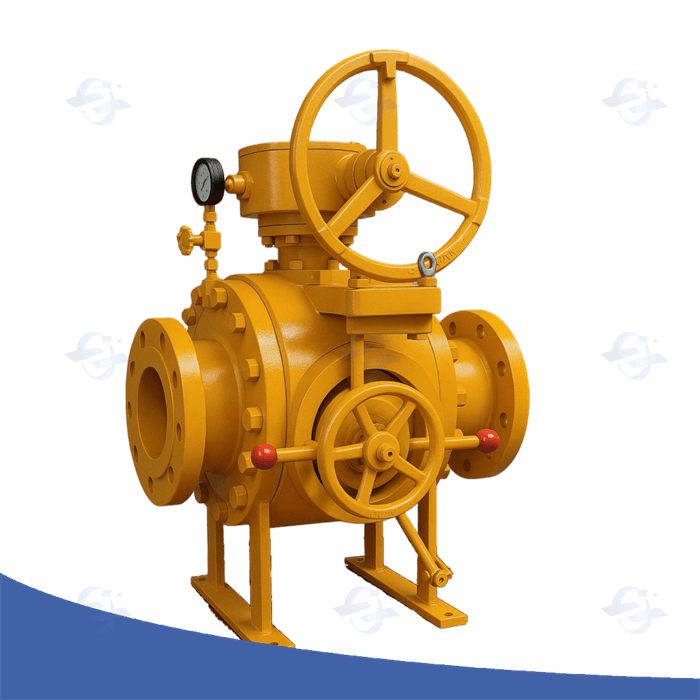
Three-Way Plug Valve – Durable in handling viscous or abrasive media.
-
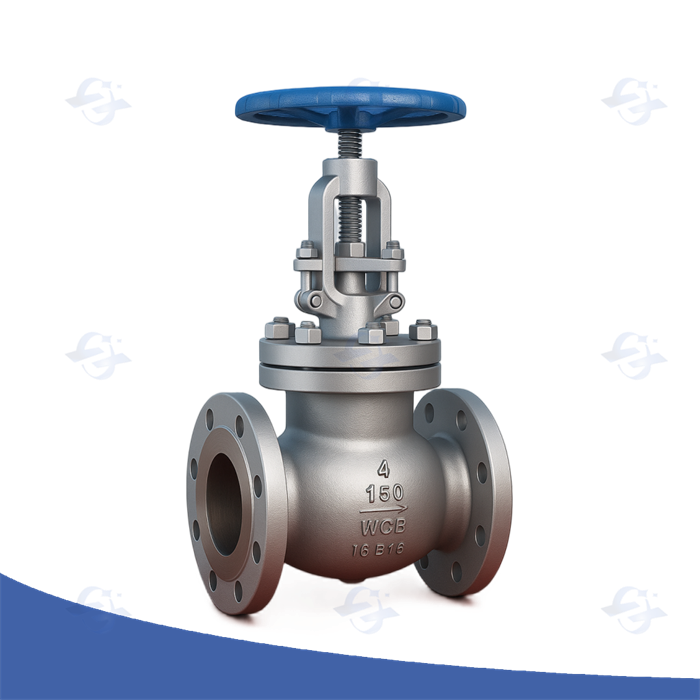
Three-Way Globe Valve – Precise throttling and control in mixing or regulating service.
7. Selecting the Right Three-Way Valve
When choosing a three-way valve, consider:
-
Flow Function – Mixing or diverting? T-port or L-port?
-
Media Type – Water, steam, gas, oil, chemicals — material compatibility is key.
-
Operating Pressure & Temperature – Match valve ratings to your system.
-
Actuation Method – Manual or automated control.
-
Body Material – Brass, stainless steel, carbon steel, PVC, or other materials depending on application.
8. Why Choose YIXIN Three-Way Valves
-
Precision Machining – Ensures tight sealing and smooth operation.
-
Flexible Configurations – Available in T-port and L-port designs.
-
Durable Materials – Built to handle demanding industrial conditions.
-
Global Standards Compliance – Meets ISO, ANSI, ASME, API, and EN specifications.
-
Custom Engineering – Tailored solutions for unique system requirements.

9. Conclusion
A three-way valve is a highly adaptable flow control component that simplifies piping layouts and improves system efficiency. Whether for diverting, mixing, or switching fluid flow, YIXIN three-way valves deliver the performance, reliability, and versatility needed in modern industrial and commercial applications.
For expert advice and high-quality three-way valve solutions, contact YIXIN — your trusted partner in advanced flow control technology.