 中文版
中文版  Spain
Spain  Arabic
 Russian
 Korean
 Thai
Thai vietnamese
 Persian
 Deutsch
 Türkce
 日本語
日本語
What is an Electric Ball Valve? – Complete Guide
1. Introduction
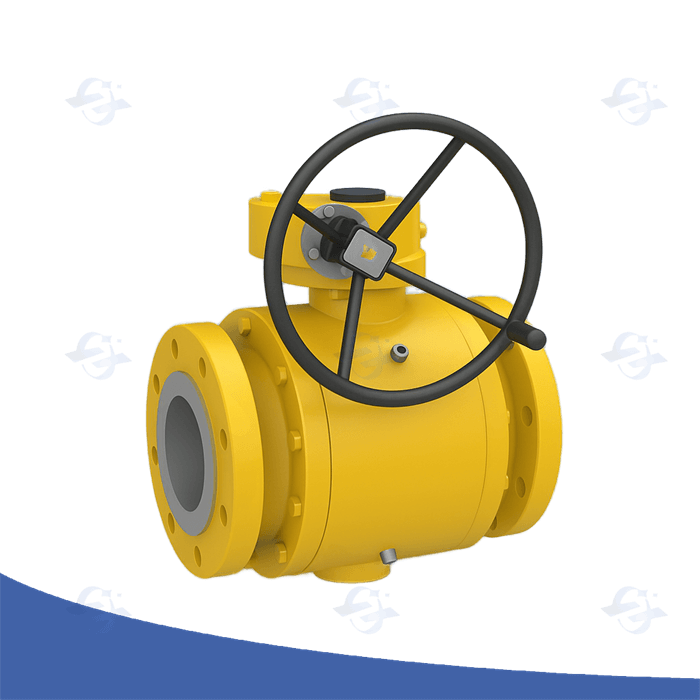
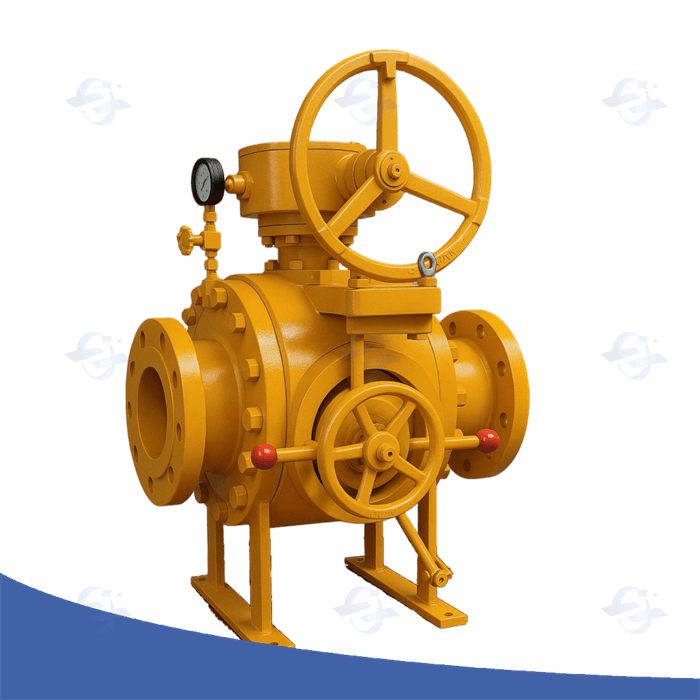
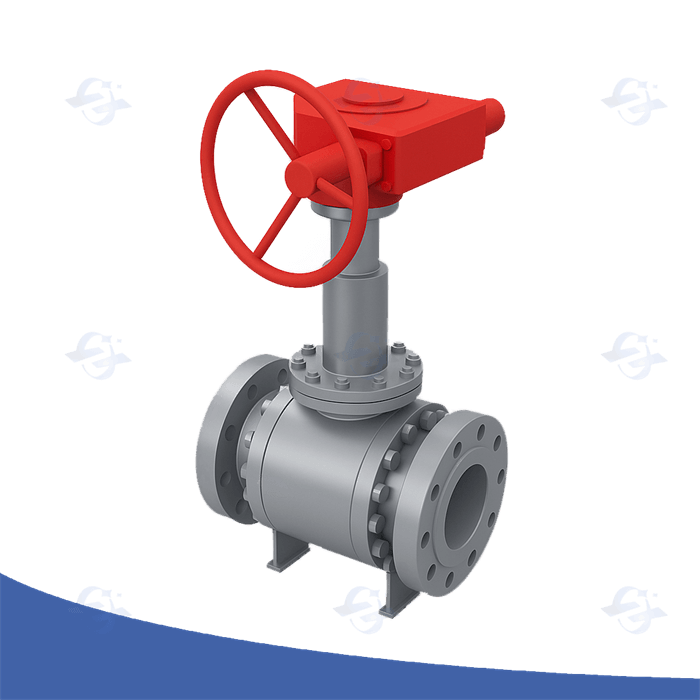
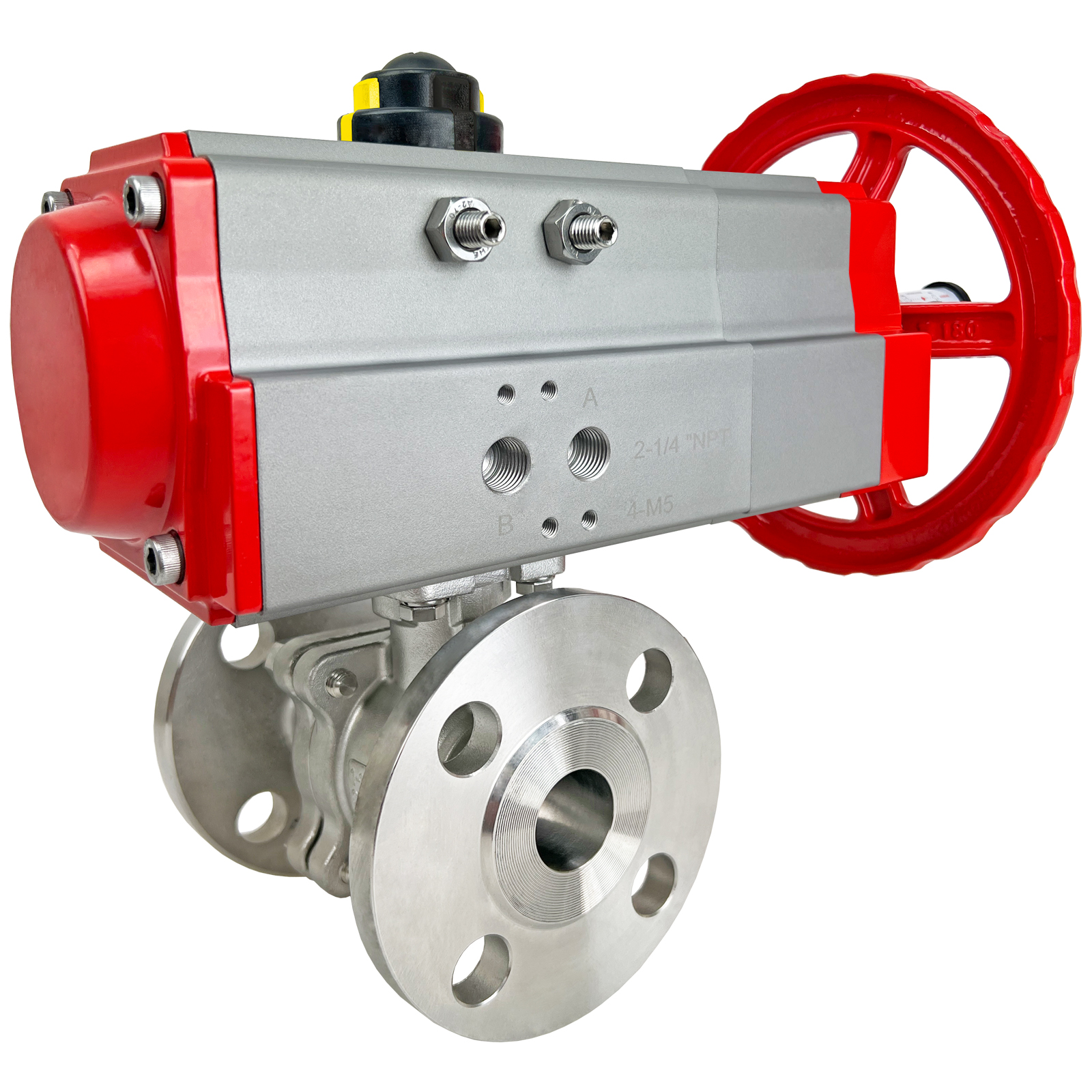
An electric ball valve is a type of ball valve operated by an electric actuator rather than a manual lever.
It is widely used in automated fluid control systems for liquids, gases, and even slurries. With the press of a button or a signal from a control system, the valve can be opened, closed, or positioned precisely — making it ideal for applications where speed, accuracy, and remote operation are required.
At YIXIN, we specialize in designing and manufacturing electric ball valves that combine robust mechanical e
ngineering with advanced actuator technology, delivering reliable performance in industrial, commercial, and residential environments.
2. How an Electric Ball Valve Works
An electric ball valve consists of two main parts:
-
Ball Valve Body – A spherical ball with a hole (bore) inside the valve controls the flow.
-
When the bore aligns with the pipeline, fluid flows freely.
-
Rotating the ball 90° blocks the flow completely.
-
-
Electric Actuator – A motor-driven device mounted on top of the valve.
-
Receives an electrical signal (manual switch, PLC command, or IoT control).
-
Rotates the ball to the desired position — fully open, fully closed, or partially open for throttling.
-
Many electric actuators also include features like position indicators, manual overrides, and fail-safe return-to-position on power loss.
3. Key Benefits of Electric Ball Valves
-
Full Automation – No manual turning; integrates easily with control systems.
-
Precise Control – Supports both on/off and modulating (proportional) operations.
-
Remote Operation – Safe and efficient control in inaccessible or hazardous areas.
-
Energy Efficiency – Consumes power only during actuation (for most designs).
-
Reduced Maintenance – Fewer moving parts compared to pneumatic systems.
4. Applications
Electric ball valves are used in a variety of industries and systems:
-
HVAC Systems – Regulating heating or cooling water in building automation.
-
Water Treatment – Controlling inlet, outlet, and bypass flows.
-
Oil & Gas – Managing liquid fuels or gases in process systems.
-
Food & Beverage – Automated sanitary flow control for production lines.
-
Irrigation & Agriculture – Scheduled or sensor-based water distribution.
-
Chemical Processing – Handling corrosive or hazardous fluids with precision.
5. Types of Electric Ball Valves
(1) By Operation Mode
-
On/Off Type – Fully opens or closes the valve.
-
Modulating Type – Adjusts to intermediate positions for flow regulation.
(2) By Power Supply
-
AC Electric Ball Valves – Common industrial choice (AC 220V, AC 110V).
-
DC Electric Ball Valves – Suitable for battery-powered or low-voltage systems (DC 12V, DC 24V).
(3) By Body Design
-
Two-Piece Body – Simple, cost-effective, and easy to install.
-
Three-Piece Body – Allows maintenance without removing the valve from the pipeline.
-
Full Bore – Maintains pipeline flow capacity with minimal pressure loss.
-
Reduced Bore – More compact and economical for certain applications.
6. How Electric Ball Valves Differ from Motorized Ball Valves
Although the terms are often used interchangeably, there’s a subtle difference:
-
Motorized Ball Valve – General term for any ball valve powered by a motor (electric, pneumatic, or hydraulic).
-
Electric Ball Valve – Specifically refers to a motorized ball valve driven by an electric actuator.
So, all electric ball valves are motorized ball valves, but not all motorized ball valves are electric.
7. Choosing the Right Electric Ball Valve
When selecting an electric ball valve, consider:
-
Fluid Type – Liquid, gas, or slurry; clean or abrasive; corrosive or non-corrosive.
-
Pressure & Temperature Ratings – Must match system requirements.
-
Valve Size & Flow Characteristics – Full bore for minimal loss, reduced bore for cost/space savings.
-
Material – Brass, stainless steel, carbon steel, or PVC depending on application.
-
Power Supply – Match actuator voltage to your system.
-
Control Method – On/off control, modulating control, or integration with building/process automation.
-
Environment – Weatherproofing, explosion-proof certification, or IP-rated housings for outdoor use.

8. Why Choose YIXIN Electric Ball Valves
-
Precision Engineering – CNC-machined components ensure leak-free operation and smooth actuation.
-
Wide Range of Options – From compact residential valves to heavy-duty industrial units.
-
Compliance & Safety – Manufactured in accordance with ISO, ANSI, ASME, API, and EN standards.
-
Durable Design – Resistant to corrosion, wear, and extreme conditions.
-
Customization Available – Special coatings, materials, and actuator configurations to suit unique projects.
9. Conclusion
An electric ball valve is a cornerstone of modern automated fluid control systems. With benefits like remote operation, precise control, and long-term durability, it is a smart investment for both industrial and residential applications.
YIXIN electric ball valves bring together robust valve construction and advanced actuator technology, delivering efficiency, safety, and reliability wherever fluid flow control is required.
Upgrade your system with YIXIN — where engineering precision meets automation excellence.