 中文版
中文版  Spain
Spain  Arabic
 Russian
 Korean
 Thai
Thai vietnamese
 Persian
 Deutsch
 Türkce
 日本語
日本語
Choosing Valves for Chemical and Petrochemical Plants: A Comprehensive Guide
Selecting the right valves for chemical and petrochemical plants is crucial to ensuring operational efficiency, safety, and long-term reliability. These industries involve highly complex processes with various risks, including extreme temperatures, pressures, and potentially hazardous chemicals. Therefore, valve selection must be based on specific requirements such as fluid type, flow conditions, safety standards, and the expected lifetime of the equipment.
Here’s a detailed guide on how to choose the most suitable valves for chemical and petrochemical plants:
1. Understand the Process Requirements
The first step in valve selection is a thorough understanding of the specific requirements of the process. This includes:⦁ Type of Fluid: Is the fluid corrosive, toxic, flammable, or a simple fluid like water? Different fluids require different valve materials and designs.
⦁ Flow Conditions: What is the flow rate? Is the flow continuous, intermittent, or cyclic? The valve must be able to handle these fluctuations without malfunctioning.
⦁ Pressure and Temperature Conditions: Chemical and petrochemical plants often deal with extreme pressures and temperatures, so valves must be designed to perform under such conditions.
⦁ Valve Function: Is the valve used to start/stop flow, modulate flow, or regulate pressure? This will determine whether a ball valve, globe valve, gate valve, or another type is most appropriate.
2. Material Selection: Ensuring Durability and Resistance
The materials chosen for valves in chemical and petrochemical plants must offer exceptional durability and resistance to harsh conditions, such as:⦁ Corrosion Resistance: Valves often need to resist corrosion from aggressive chemicals like acids, alkalis, and solvents. Materials like stainless steel, alloy steels, and duplex stainless steel are commonly used.
⦁ Temperature Resistance: The valve material must be able to withstand the operating temperature range without deteriorating. Nickel alloys, titanium, and stainless steel are often used for high-temperature applications.
⦁ Abrasion Resistance: For handling slurries or solids, the valve material must be able to resist abrasion. Hardened alloys or ceramic coatings may be used in such applications.
⦁ Sealing Material: Seals are a critical component for ensuring leak-tight performance. PTFE, graphite, and elastomers like Viton or EPDM are commonly used depending on the chemical environment.
3. Valve Type and Functionality
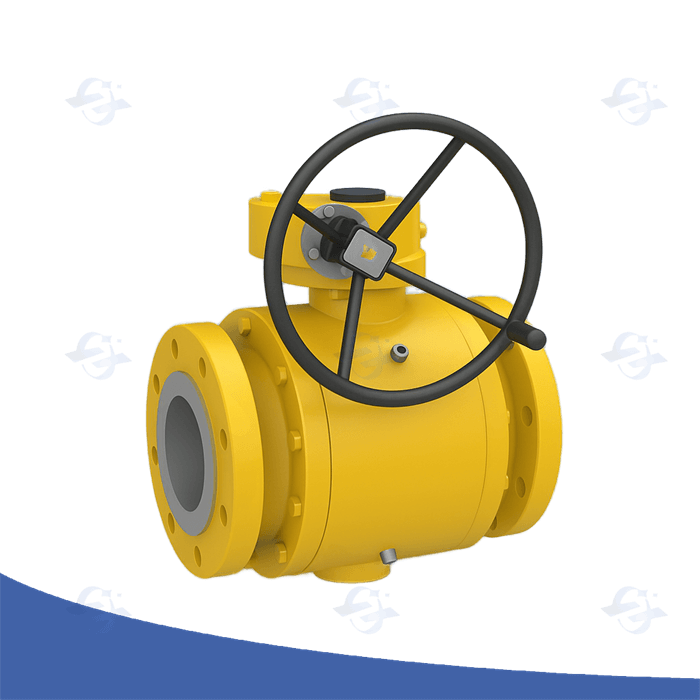
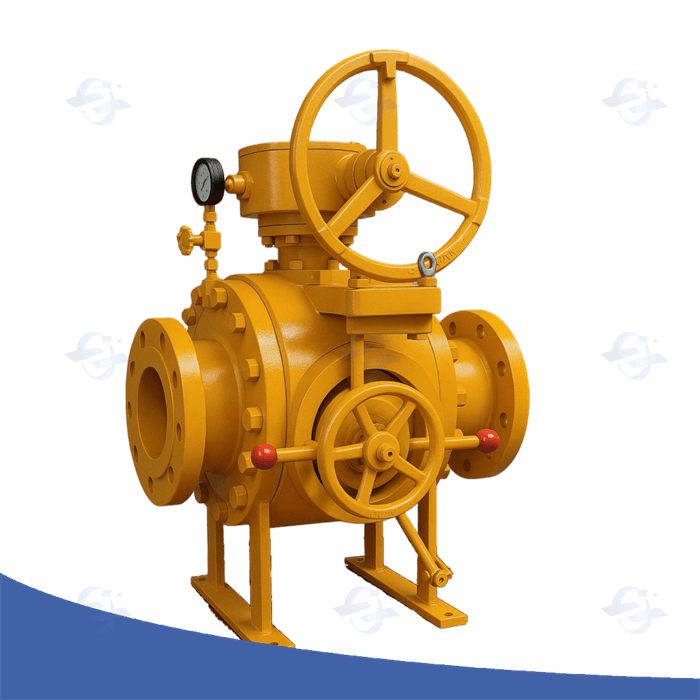
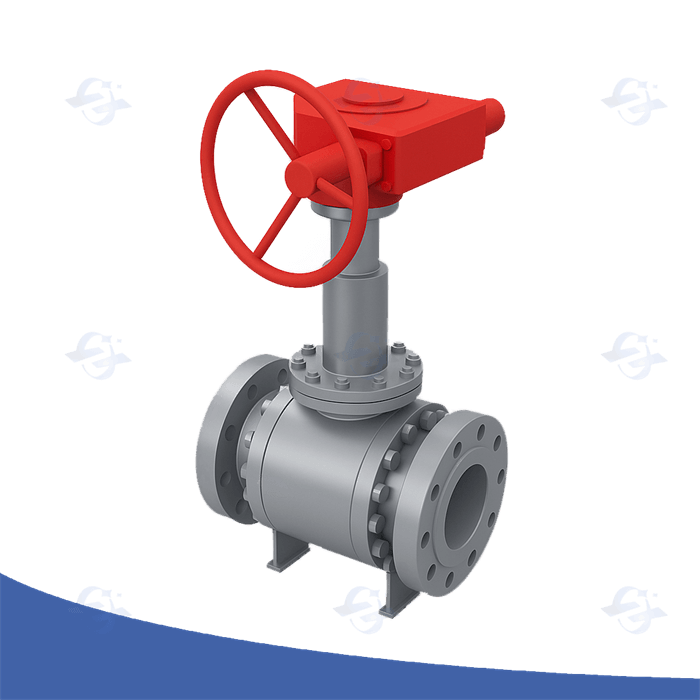
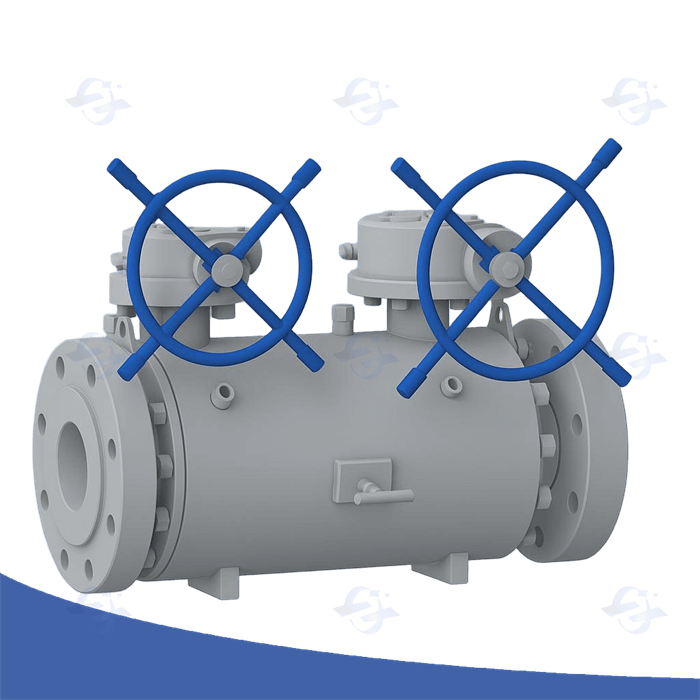
Choosing the right valve type is critical depending on the plant’s needs. Here are some common valve types for chemical and petrochemical plants:⦁ Ball Valves: Known for their quick shut-off capabilities, they are ideal for on/off services and can handle a wide range of pressures and temperatures.
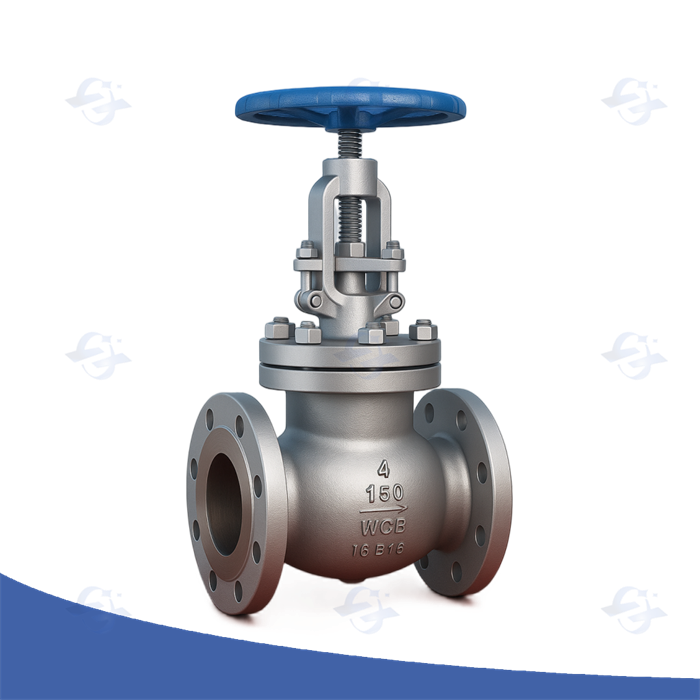
⦁ Globe Valves: Perfect for regulating flow, globe valves offer precise control and are often used in modulating services.
⦁ Gate Valves: Best suited for on/off services where the valve is either fully open or fully closed. They provide low-pressure drops and minimal flow resistance.
⦁ Butterfly Valves: Often used for large-diameter pipelines, butterfly valves are ideal for controlling the flow of liquids, gases, and slurries in large quantities.
⦁ Check Valves: Essential for preventing backflow and protecting equipment from damage caused by reverse flow.
⦁ Pressure Relief Valves: These are critical for safeguarding the system by venting excess pressure to avoid damage to pipelines and equipment.
4. Consideration of Actuation and Control
Valves in chemical and petrochemical plants are often operated remotely or automatically, making actuation an important factor in the selection process. Actuators can be pneumatic, electric, or hydraulic, and the choice depends on the specific control requirements.⦁ Pneumatic Actuators: Commonly used due to their reliability, speed, and power. Suitable for a variety of valve types like ball and globe valves.
⦁ Electric Actuators: Ideal for precise control and applications requiring feedback systems, especially in modulating services.
⦁ Hydraulic Actuators: Used for high torque applications in large valves that need to control substantial flow rates.
The type of actuator chosen should be compatible with the valve's function, the fluid system, and the plant's automation needs.
5. Valve Sizing and Flow Coefficients
Correct valve sizing is crucial for both operational efficiency and safety. Improper sizing can lead to cavitation, noise, leakage, and inefficiency in the process. Some key factors to consider include:⦁ Flow Coefficient (Cv): This is used to determine the flow capacity of a valve. The higher the Cv, the more fluid can pass through the valve.
⦁ Flow Characteristics: Different types of valves offer different flow characteristics, which should match the system's flow profile (e.g., equal percentage, linear, or quick-opening).
⦁ Pressure Drop: Excessive pressure drop across the valve can lead to energy loss, so ensuring that the valve is sized correctly for the application is important for efficiency.
6. Compliance with Industry Standards
Compliance with industry standards and certifications is essential in ensuring the safety and reliability of valves in critical environments. Key standards to consider include:⦁ API (American Petroleum Institute): For valves used in oil and gas applications.
⦁ ASME (American Society of Mechanical Engineers): For pressure equipment and steam valves.
⦁ ISO (International Organization for Standardization): For general standards on materials, testing, and valve performance.
⦁ ATEX: For valves in explosive atmospheres, especially when dealing with flammable chemicals or gases.
Compliance with these standards ensures that the valve will perform as expected under the operating conditions of the chemical and petrochemical plant and meet all necessary safety and environmental requirements.
7. Maintenance and Reliability
In chemical and petrochemical plants, downtime can be extremely costly. As such, the valves chosen must be reliable, easy to maintain, and have a long service life. Factors to consider include:⦁ Ease of Maintenance: Valves that are easy to disassemble, clean, and maintain can reduce downtime. Valves with modular designs and easily replaceable parts are preferred.
⦁ Reliability: Choose valves with a proven track record of reliability in similar applications, as these will minimize the risk of failures and unplanned shutdowns.
⦁ Leakage Prevention: The sealing design should minimize the risk of leakage, especially when dealing with hazardous or toxic materials.
8. Cost vs. Performance
Finally, it’s important to strike a balance between cost and performance. While high-quality, durable valves may have a higher upfront cost, they often lead to significant cost savings over time due to their longer lifespan, fewer breakdowns, and reduced maintenance requirements.Consider factors such as:
⦁ Initial Capital Costs: The upfront cost of the valve, actuator, and associated components.
⦁ Operational Costs: Energy consumption, maintenance, and replacement parts over the valve's lifecycle.
⦁ Total Cost of Ownership: A long-term view on how the valve’s reliability and efficiency will impact the overall cost of running the plant.
Conclusion: Making the Right Choice
Selecting the right valve for chemical and petrochemical plants is a critical decision that impacts safety, efficiency, and long-term plant performance. Understanding the process requirements, choosing the appropriate materials, selecting the right valve type, and ensuring proper sizing and actuation will help ensure that the plant runs smoothly while meeting safety and regulatory requirements.By considering these key factors, operators and engineers can make informed decisions that lead to optimal valve performance and contribute to the overall success of the plant.