 中文版
中文版  Spain
Spain  Arabic
 Russian
 Korean
 Thai
Thai vietnamese
 Persian
 Deutsch
 Türkce
 日本語
日本語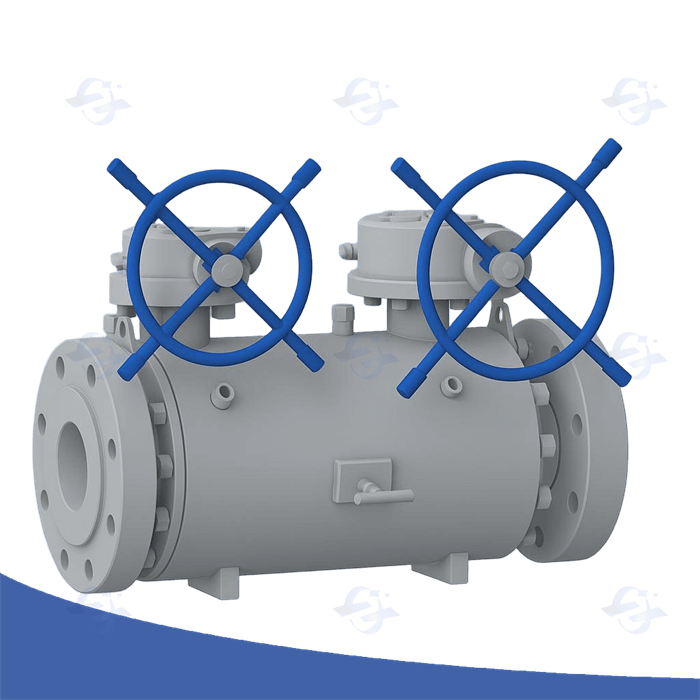
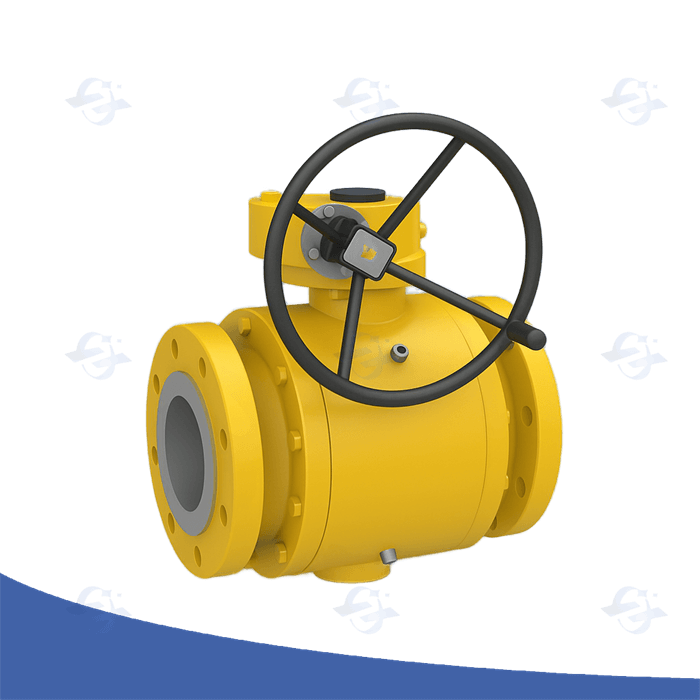
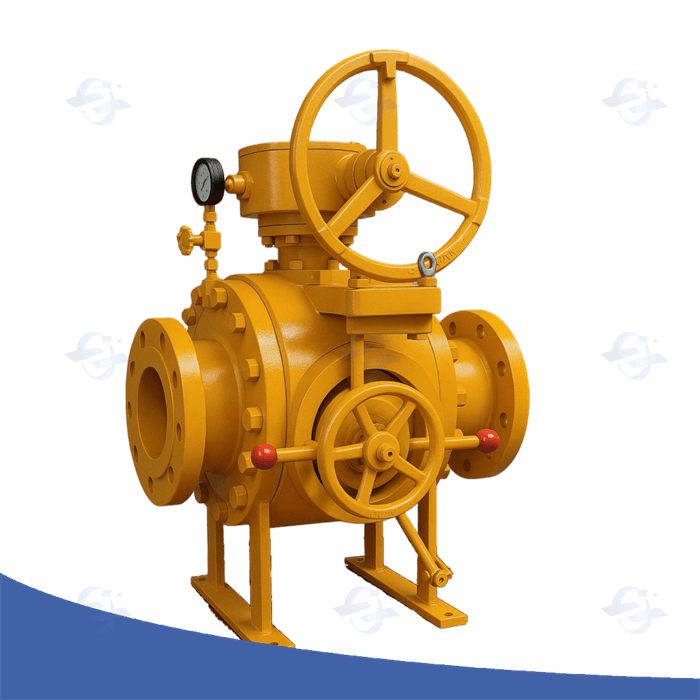
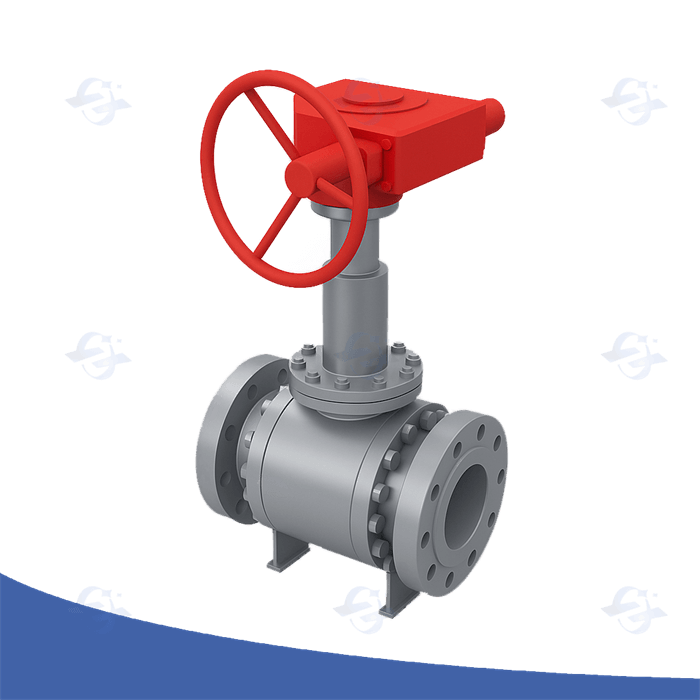
DBB Valves: Double Block & Bleed – Safety, Efficiency, Reliability
If you have ever opened a pipeline for maintenance and hoped isolation was tight, you already understand why DBB valves (Double Block & Bleed valves) exist.
In high-pressure oil & gas systems, “almost sealed” is not acceptable. Isolation must be verifiable. That’s exactly what a properly designed DBB valve delivers.
What Is a DBB Valve?
According to American Petroleum Institute API 6D, a Double Block and Bleed valve is:
A single valve with two sealing surfaces that isolate pressure from both ends, with a bleed port in between to verify sealing integrity.
In practical terms:
-
Two independent sealing barriers
-
One bleed port between them
-
Ability to confirm zero pressure in the cavity
It’s not a “valve type.”
It’s a performance requirement.
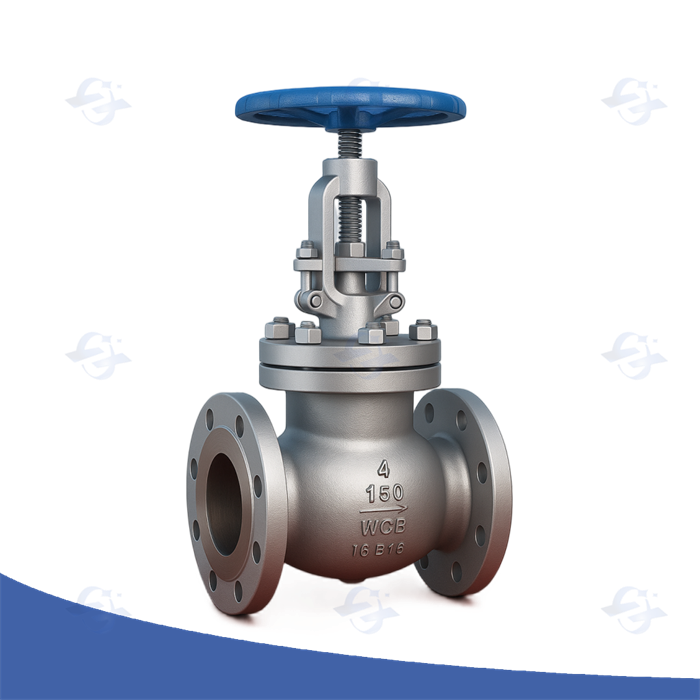
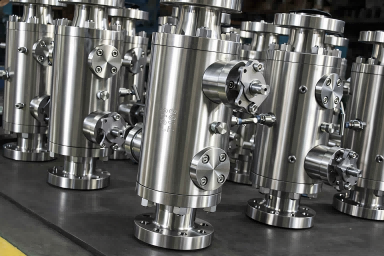
Ball valves, gate valves, or plug valves can all be designed to meet DBB functionality — but in modern pipeline systems, trunnion-mounted ball valves dominate.
Why DBB Valves Matter in Real Operations
1. Safety: Isolation You Can Prove
When the valve is closed:
-
Upstream pressure is blocked
-
Downstream pressure is blocked
-
The cavity between seats can be vented
If fluid continues to flow from the bleed port, you know a seat is leaking. No guessing. No assumptions.
For maintenance crews, that verification step is everything.
2. Efficiency: Replacing Three Valves with One
Traditional setup:
-
Block valve
-
Block valve
-
Bleed valve
-
Flanges, gaskets, bolting
A compact DBB valve integrates all three functions into a single body.
Result:
-
Fewer leak paths
-
Smaller footprint
-
Lower weight (critical offshore)
-
Faster installation
On offshore platforms and FPSOs, this reduction in space and connections is a serious advantage.
3. Reliability: Smart Seat Engineering
Most DBB ball valves use one of two seat principles:
Single Piston Effect (SPE)
-
Upstream pressure energizes the seat
-
Cavity overpressure self-relieves to the pipeline
This design prevents dangerous pressure buildup caused by thermal expansion.
Double Piston Effect (DPE)
-
Both upstream and cavity pressure push the seat against the ball
-
No automatic cavity relief
DPE is often used when zero internal leakage is mandatory, but engineers must account for trapped pressure.
DBB vs DIB – Quick Clarification
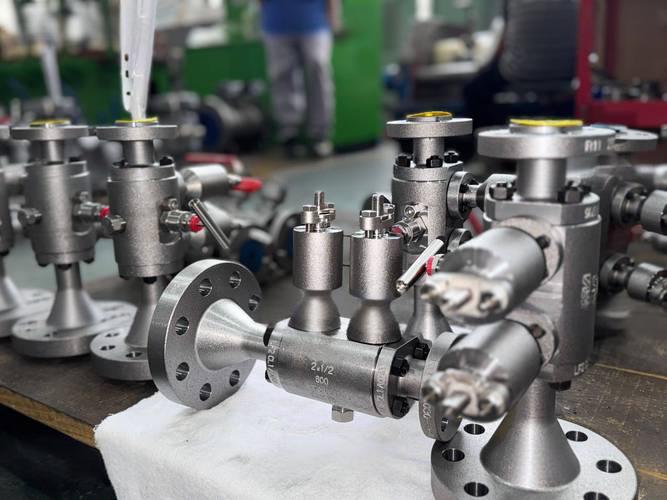
Under API 6D, there is also DIB (Double Isolation and Bleed):
-
DBB typically uses self-relieving seats
-
DIB-1 uses double piston effect seats
-
DIB-2 combines one SPE and one DPE seat
The distinction matters in high-pressure gas or hazardous service.
Pressure Testing Requirements
Under API 6D:
-
Shell test: 1.5 × rated pressure
-
Seat test: 1.1 × rated pressure
-
Low-pressure air seat test
-
Cavity bleed verification
Fire-safe compliance is often required in hydrocarbon systems, typically tested per API 607.
If a DBB valve cannot pass a cavity bleed verification test, it is not functioning as intended — regardless of nameplate claims.
Where DBB Valves Are Commonly Used
You will typically see DBB valves in:
-
High-pressure gas transmission lines
-
Wellhead isolation
-
Pig launcher and receiver stations
-
LNG facilities
-
Refinery instrument isolation
In EPC projects, DBB functionality is often specified in the line class documentation, not just in the valve datasheet.
Common Engineering Mistakes
From field experience, the most common problems are:
-
Incorrect seat selection for thermal conditions
-
Ignoring cavity pressure buildup
-
Using DPE seats without relief protection
-
Assuming DBB performance without verification testing
The seat design is not a detail — it is the heart of DBB reliability.
FAQ – Optimized for Quick Answers
What does DBB stand for?
DBB stands for Double Block and Bleed — a valve configuration that provides two isolation barriers and a bleed port to verify sealing integrity.
Is a DBB valve better than two separate block valves?
A properly designed DBB valve reduces leak paths, saves space, and allows cavity pressure verification in one compact unit.
Can a ball valve be a DBB valve?
Yes. A ball valve can meet DBB requirements if its seat design provides double isolation and includes a bleed function per API 6D definition.
What is the difference between DBB and DIB?
DBB usually includes self-relieving seat design, while DIB often uses double piston effect seats that seal in both directions without automatic cavity relief.
Final Thoughts
YXIN valve DBB valves are not about marketing language. They are about controlled energy isolation.
When pressure, hydrocarbons, and human safety intersect, verified isolation is non-negotiable.
A properly engineered DBB valve delivers:
-
Isolation you can confirm
-
Reduced installation complexity
-
Long-term sealing stability
-
Lower lifecycle risk
In high-energy systems, reliability is designed — not assumed.