 中文版
中文版  Spain
Spain  Arabic
 Russian
 Korean
 Thai
Thai vietnamese
 Persian
 Deutsch
 Türkce
 日本語
日本語
Why EPC Projects Prefer Fully Welded Trunnion Mounted Ball Valves for Long-Distance Pipelines
In EPC (Engineering, Procurement, and Construction) projects, valve selection is never a standalone decision. It directly affects pipeline safety, construction efficiency, commissioning risk, and long-term operational reliability.
For long-distance oil and gas pipelines, one valve type has gradually become the industry default:
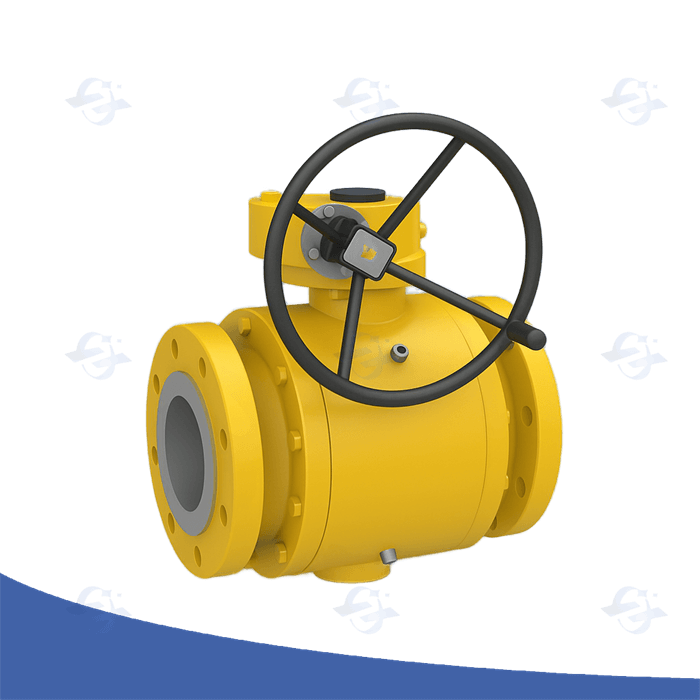
The fully welded trunnion mounted ball valve
This is not a coincidence, nor a marketing trend. It is the result of decades of EPC project experience, failure analysis, and risk-driven engineering decisions.
This article is written specifically for EPC engineers, project managers, and technical procurement teams, explaining why fully welded trunnion mounted ball valves are preferred in pipeline EPC projects, from an engineering and lifecycle perspective.
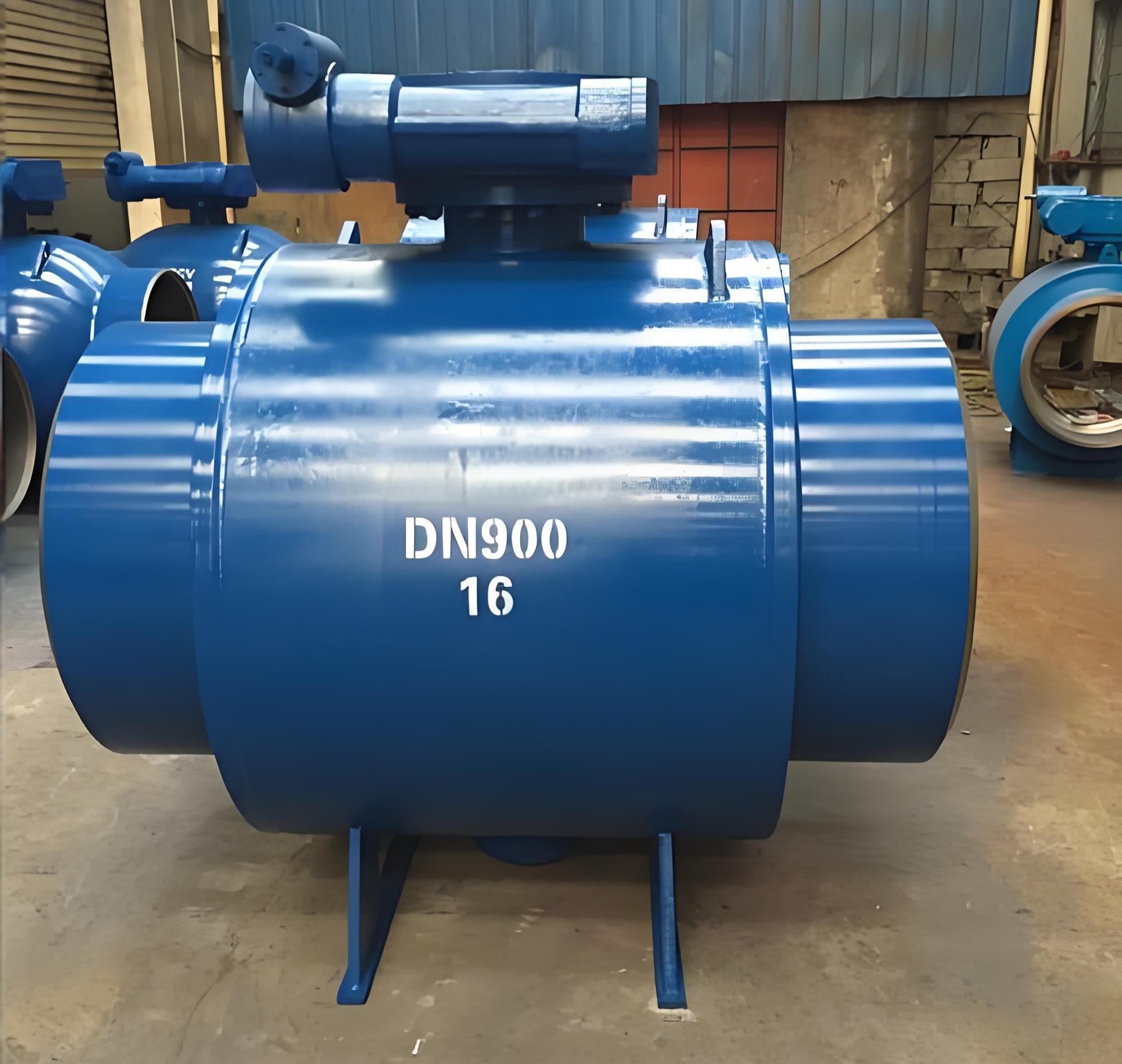
1. EPC Pipeline Projects: Design Reality vs. Datasheets
In EPC projects, especially for long-distance pipelines, design assumptions must be conservative. Once installed and buried, pipeline valves may operate for 20–30 years with minimal or no maintenance access.
Key EPC realities include:
-
High internal pressure and cyclic loading
-
Long pipeline-induced axial and bending stress
-
Underground or remote installation environments
-
Limited access for inspection and repair
-
Severe consequences in case of leakage
Under these conditions, valve design philosophy matters more than valve brand.
2. Why Fully Welded Valve Bodies Are Critical in EPC Pipelines
Eliminating External Leakage Points
Traditional flanged or split-body valves introduce multiple potential leakage paths:
-
Flange gasket interfaces
-
Bolted body joints
-
Differential thermal expansion at connections
A fully welded valve body:
-
Eliminates flanges and body bolting
-
Creates a continuous pressure boundary
-
Significantly reduces long-term leakage risk
From an EPC risk management perspective:
The safest leakage point is the one that does not exist.
3. Trunnion Mounted Design: Engineering Necessity, Not an Upgrade
In large-diameter, high-pressure pipelines, floating ball designs introduce unstable operating torque and excessive seat loading.
Trunnion mounted ball valves solve this by:
-
Supporting the ball with upper and lower trunnions
-
Transferring pressure loads to the valve body
-
Stabilizing operating torque regardless of line pressure
For EPC projects, this provides:
-
Predictable actuator sizing
-
Reliable ESD (Emergency Shutdown) performance
-
Reduced mechanical stress on seats and stem
4. Full Bore Design and Pigging Requirements
Most long-distance pipelines require regular pigging for:
-
Cleaning
-
Inspection
-
Corrosion monitoring
Fully welded trunnion mounted ball valves are typically designed as full bore valves, allowing:
-
Unrestricted pig passage
-
Minimal pressure drop
-
Consistent internal flow profile
This is a fundamental requirement in pipeline EPC specifications and API 6D standards.
5. Lifecycle Cost: EPC’s Long-Term Responsibility
Although fully welded trunnion mounted ball valves have a higher initial purchase price, EPC contractors evaluate valves based on total lifecycle cost (LCC) rather than CAPEX alone.
From an EPC perspective:
-
Maintenance cost is nearly zero
-
Leakage-related rework risk is minimized
-
Project liability exposure is reduced
In contrast, a single leakage incident can result in:
-
Excavation and rework
-
Project delays
-
Environmental penalties
-
Reputation damage
6. Compliance with Pipeline Standards and Specifications
Fully welded trunnion mounted ball valves are designed to meet strict pipeline standards, including:
-
API 6D – Pipeline valves
-
ASME B16.34 – Pressure-temperature ratings
-
API 607 / API 6FA – Fire-safe design
-
ISO 15848 – Fugitive emissions
-
NACE MR0175 / ISO 15156 – Sour service
For EPC projects, compliance is not optional—it is a contractual obligation.
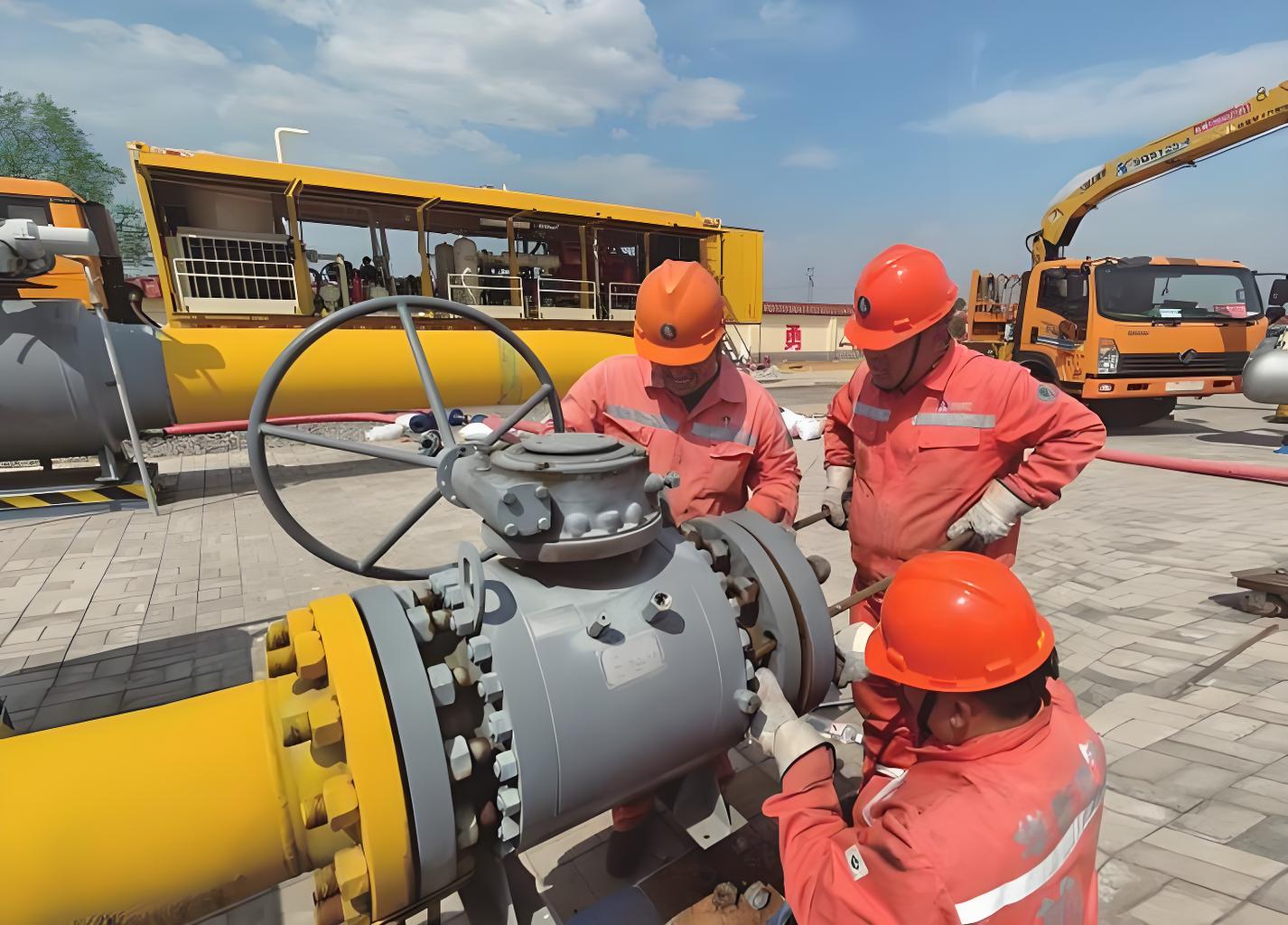
7. EPC Installation and Construction Advantages
From a construction standpoint, fully welded valves offer:
-
Reduced field flange alignment work
-
Improved pipeline integrity
-
Compatibility with automatic welding procedures
This results in:
-
Faster installation
-
Lower construction risk
-
Better weld quality control
Engineering Conclusion for EPC Projects
Fully welded trunnion mounted ball valves are not selected because they are “high-end” products. They are selected because they:
-
Minimize long-term leakage risk
-
Match the mechanical reality of pipelines
-
Reduce EPC project liability
-
Deliver predictable performance over decades
In pipeline EPC projects, valve selection is ultimately a risk decision. Fully welded trunnion mounted ball valves represent the lowest-risk solution.
Final Note for EPC Engineers and Procurement Teams
When evaluating pipeline valves, the key question should not be:
“What is the lowest purchase price?”
But rather:
“Which valve design minimizes project risk over the entire pipeline lifecycle?”
For long-distance pipelines, the engineering answer is clear.