 中文版
中文版  Spain
Spain  Arabic
 Russian
 Korean
 Thai
Thai vietnamese
 Persian
 Deutsch
 Türkce
 日本語
日本語
Industrial Valve Painting Color Standards: A Complete Guide for Global Projects
In the industrial valve industry, painting and coating are more than just surface finishes. Proper painting not only improves the valve’s appearance but also provides corrosion resistance, identification, and compliance with international project requirements. For EPC contractors, oil & gas companies, and distributors, understanding industrial valve painting color standards is essential to ensure safe operation, easy maintenance, and standardization across projects.
This article explores the purpose of valve painting, common color coding standards, and best practices for applying protective coatings to valves used in pipelines, chemical plants, power stations, and water treatment facilities.
Why Are Valves Painted?
Painting industrial valves serves several important functions:
-
Corrosion Protection – Prevents rusting and extends service life, especially in marine, chemical, and outdoor installations.
-
Identification & Safety – Helps operators quickly identify valve type, material, or service line by color.
-
Standardization – Many international standards and EPC contractors require specific painting and coating systems.
-
Branding & Appearance – Improves aesthetics, ensuring a professional finish that represents the manufacturer’s quality.
Industrial Valve Painting Color Standards
There is no single universal color code for valves worldwide, but several commonly followed standards exist in different industries and regions.
1. ISO 14713 & ISO 12944 (International Standards)
-
Provide guidelines for protective coatings and corrosion categories (C1 to C5, depending on environment severity).
-
Valves for offshore or marine use often require epoxy or polyurethane coatings in bright safety colors.
2. ANSI/ASME Color Codes (U.S. Standard Practice)
In the United States, many plants follow ASME A13.1 and ANSI guidelines for pipeline and valve identification:
-
Yellow – Flammable or oxidizing fluids (gas, fuel, oil)
-
Green – Water lines
-
Blue – Air lines
-
Orange – Toxic or corrosive fluids
-
Brown – Combustible liquids
-
Gray – Steam
3. BS 1710 (British Standard for Pipeline Identification)
-
Widely used in the UK and Middle East EPC projects.
-
Valves are painted to match pipeline service colors with additional banding for hazard identification.
4. API & Oil & Gas Company Requirements
-
Many oil majors (Shell, ExxonMobil, Saudi Aramco) have project-specific coating standards.
-
Example: Offshore valves may require three-layer epoxy + polyurethane topcoat, with RAL color codes specified.
-
Flange faces, stem extensions, and nameplates must remain unpainted to ensure proper function.
Common Valve Color Applications
-
Blue – Water service (drinking, cooling, wastewater)
-
Green – Non-potable water or cooling lines
-
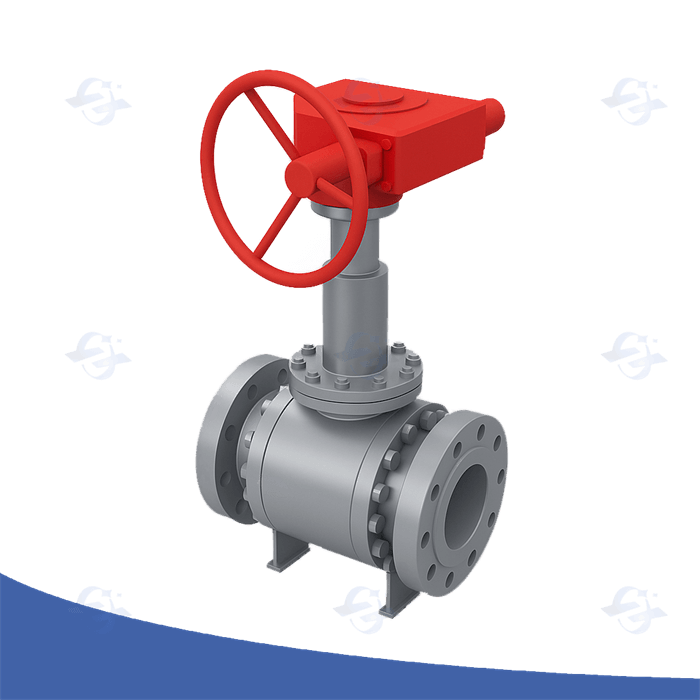
Red – Firefighting systems
-
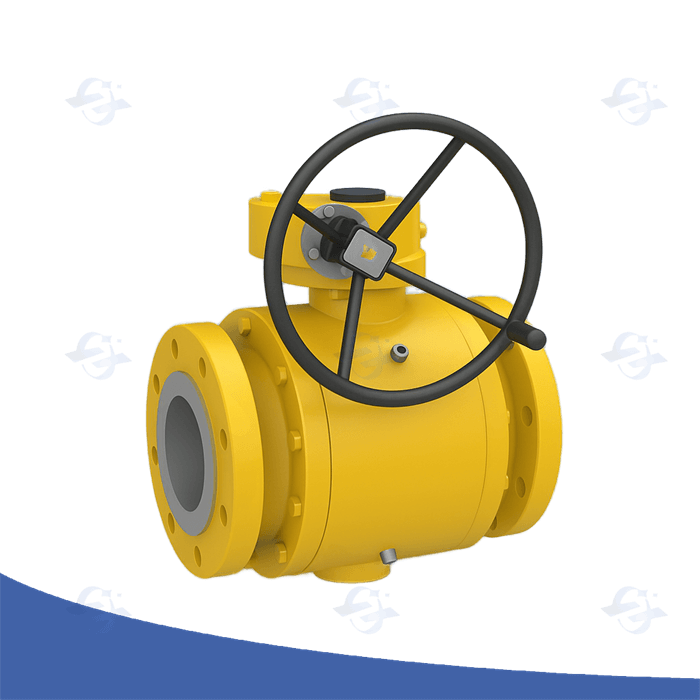
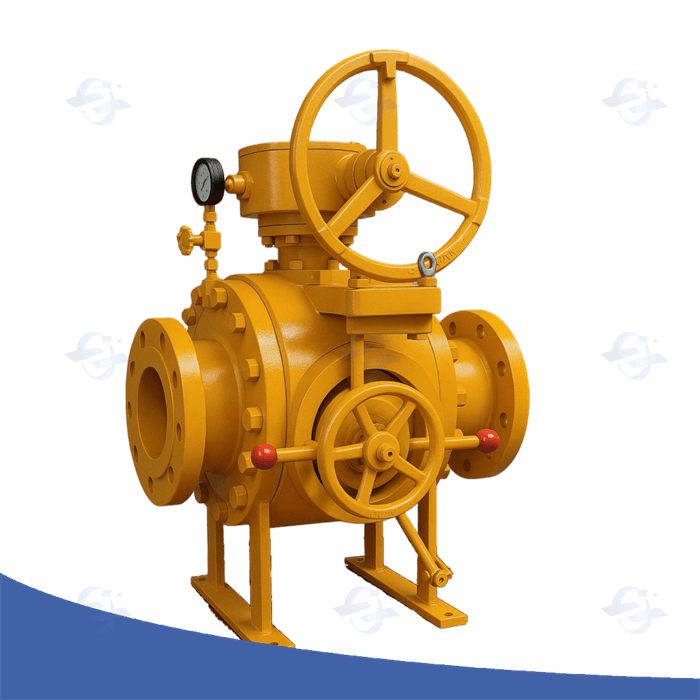
Yellow – Gas service (natural gas, oxygen, hydrogen)
-
Black – Oil service (crude, diesel, lubricants)
-
Silver/Aluminum – High-temperature steam lines
-
Orange – Acidic or hazardous chemical service
(Note: Always confirm with project specifications before finalizing color codes.)
Best Practices for Valve Painting
-
Surface Preparation
-
Sandblasting or shot blasting to SA 2.5 standard (ISO 8501-1).
-
Remove all rust, oil, and dust before coating.
-
-
Primer Application
-
Use zinc-rich epoxy primer for excellent corrosion resistance.
-
-
Intermediate & Top Coats
-
Apply epoxy, polyurethane, or fluoropolymer coatings depending on environment (marine, desert, chemical).
-
Total thickness typically ranges from 150 to 300 microns.
-
-
Flange Face Protection
-
Flange sealing faces must be covered with plastic protectors and remain free of paint.
-
-
Marking & Labeling
-
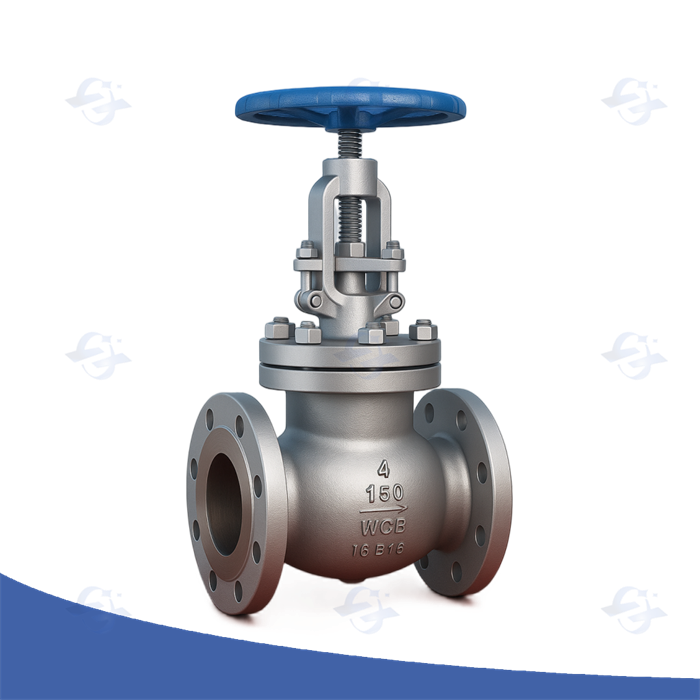
Clearly mark valve size, pressure rating, material, and flow direction on the body.
-
Use RAL or Pantone codes for consistent color reproduction.
-
Challenges in Valve Painting
-
Coating Failure – Poor surface prep leads to blistering or peeling.
-
Incorrect Color Coding – Causes confusion in operation and safety risks.
-
Overpainting Critical Surfaces – Leads to sealing problems if flange faces or stem threads are painted.
-
Inconsistent Standards – Different EPC contractors may have conflicting color code systems.
Conclusion
Industrial valve painting is not just cosmetic—it is a critical quality control step that ensures corrosion resistance, operator safety, and compliance with international standards. By following recognized color coding systems (ANSI, BS 1710, ISO 12944, API guidelines) and project-specific requirements, manufacturers can deliver valves that are both durable and easy to identify in service.
Whether you are a valve manufacturer, EPC contractor, or end-user, understanding valve painting standards helps improve operational efficiency, extend equipment life, and maintain global project compliance.
FAQ – Valve Painting Standards
Q1: Are there universal color codes for industrial valves?
No. Color codes vary by country, industry, and client specification (ANSI, BS, ISO, API). Always check project requirements.
Q2: Can stainless steel valves be painted?
Yes, but in many cases, stainless steel valves are delivered with clear passivation or polished finish instead of painted coatings.
Q3: How thick should valve paint coatings be?
Typically between 150–300 microns, depending on environment severity (C2 indoor to C5 offshore).