 中文版
中文版  Spain
Spain  Arabic
 Russian
 Korean
 Thai
Thai vietnamese
 Persian
 Deutsch
 Türkce
 日本語
日本語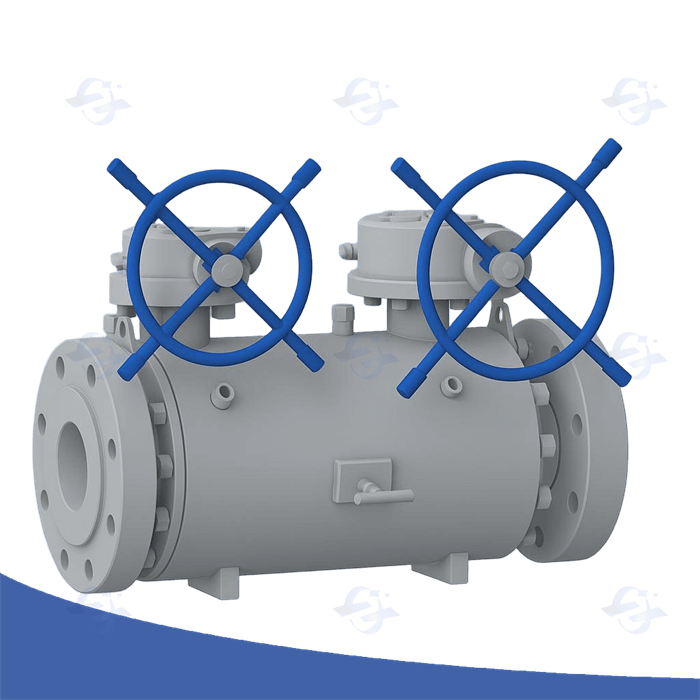
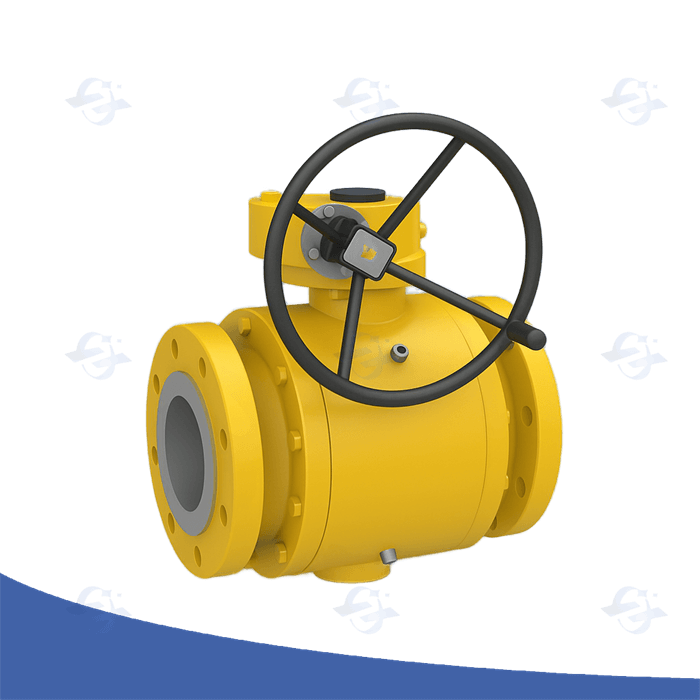
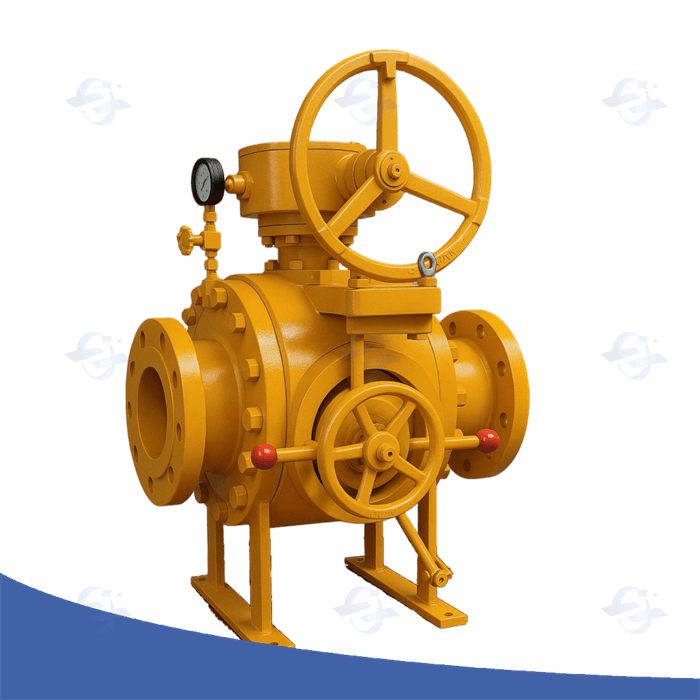
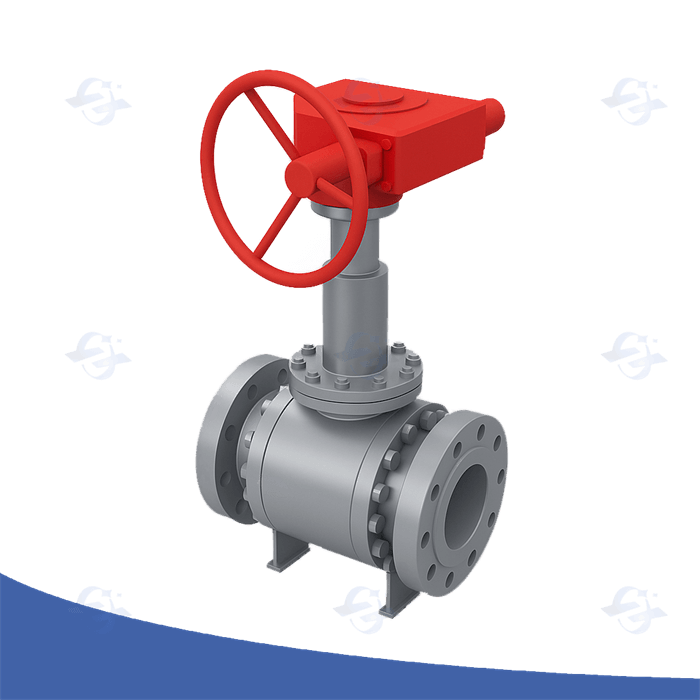
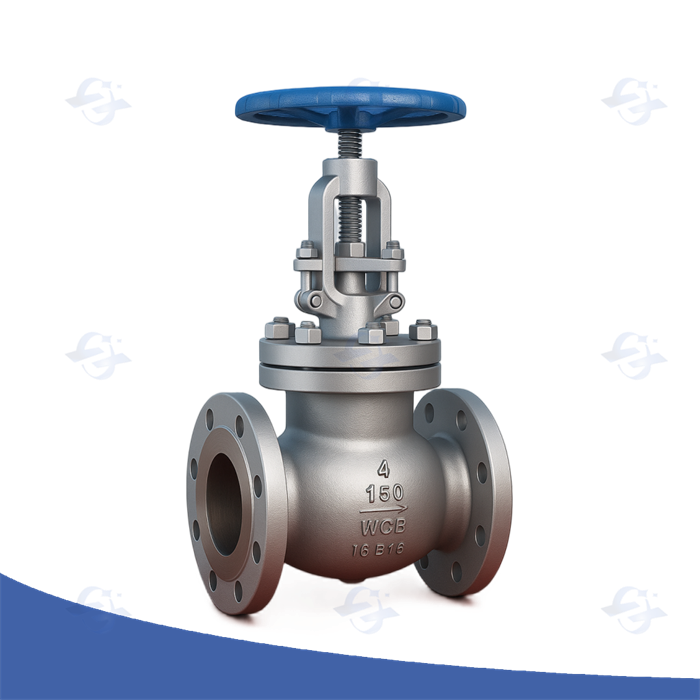
Ball Valve Installation Guidelines with Illustrations
Introduction
Proper installation of a ball valve is essential to ensure leak-free operation, long service life, and safe performance. Whether you are installing a manual, pneumatic, or electric-actuated ball valve, following the correct procedure prevents damage and operational issues. This guide outlines the key ball valve installation precautions, supported by step-by-step illustrations.
1. Check the Valve Before Installation
-
Inspect for damage: Check the body, stem, seats, and seals for cracks, scratches, or deformation.
-
Verify specifications: Ensure the pressure rating, size, and material match your piping system requirements.
-
Clean the valve: Remove any dust, debris, or protective grease before installation.
2. Prepare the Pipeline
-
Flush the pipeline: Remove welding slag, dirt, and foreign particles to avoid seat and ball damage.
-
Check alignment: The flanges or pipe ends should be aligned to prevent installation stress.
-
Support the pipeline: Use proper supports to avoid excess load on the valve body.
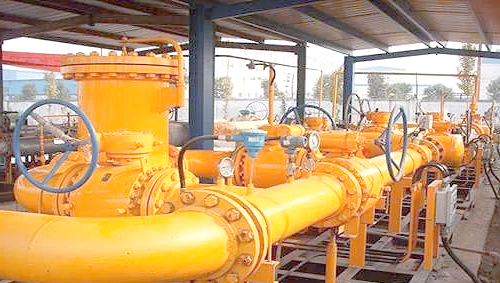
3. Install the Ball Valve Correctly
-
Flow direction: Follow the manufacturer’s arrow mark if the valve is unidirectional.
-
Gasket selection: Use the correct gasket type and size for the medium and pressure.
-
Torque tightening: Tighten bolts evenly in a crisscross pattern to ensure uniform sealing.
4. Avoid Common Mistakes
-
Do not use the valve as a lever or step platform.
-
Do not weld with the valve assembled—heat can damage the seats and seals.
-
Do not overtighten bolts or the gland nut, as this may cause stem seizure.
5. Perform a Function Test
-
Operate the valve fully open and closed to ensure smooth movement.
-
Check for leaks at the flange connections and stem packing.
-
If leaks occur, adjust gland packing slightly—do not overtighten.
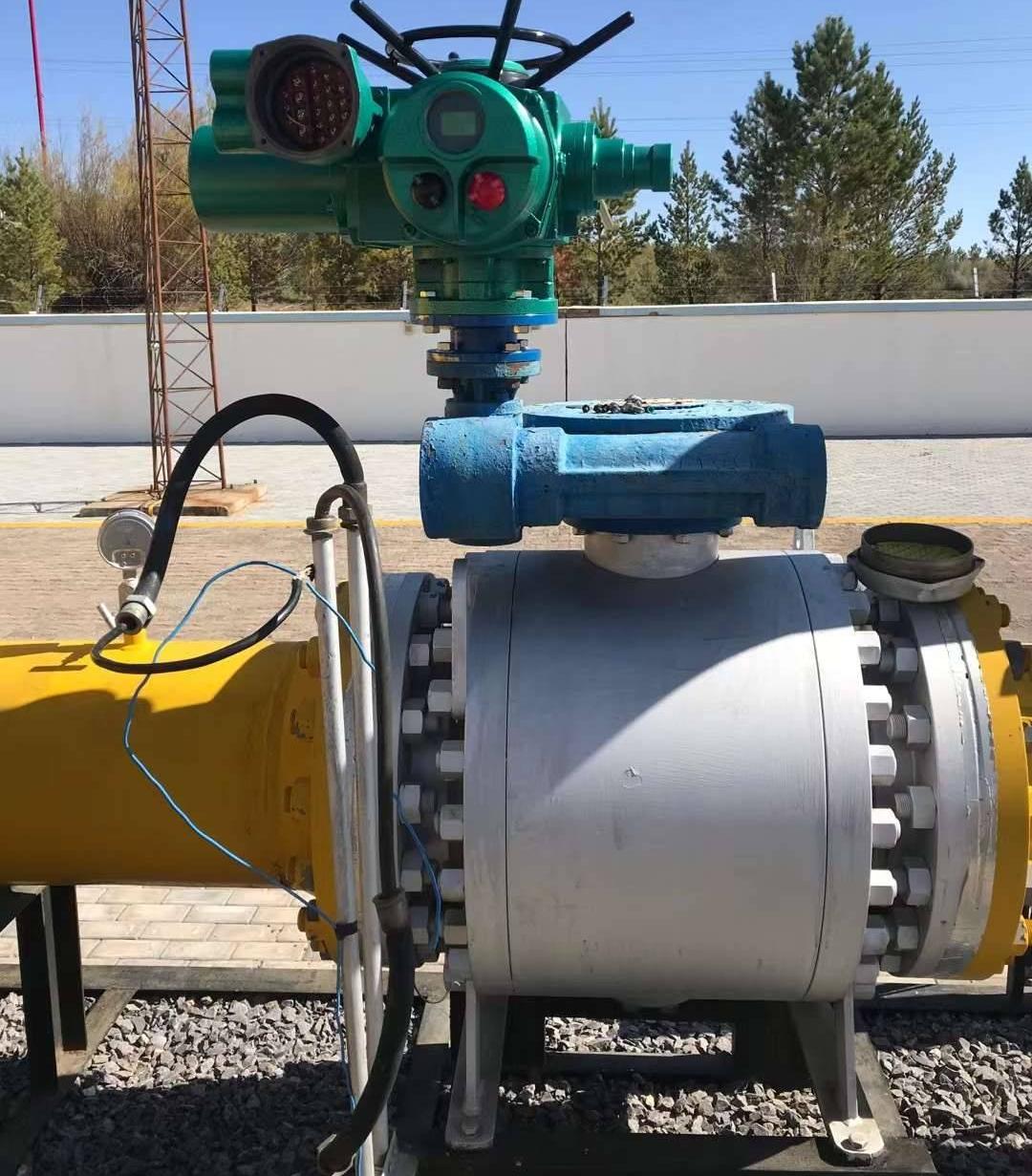
Illustration Guide:
-
Valve inspection diagram – highlighting seats, stem, and ball.
-
Pipeline preparation graphic – showing flushing and alignment.
-
Installation sequence image – bolt tightening order.
-
Flow direction arrows – for unidirectional ball valves.
-
Final leak test illustration – pressure testing setup.
Conclusion
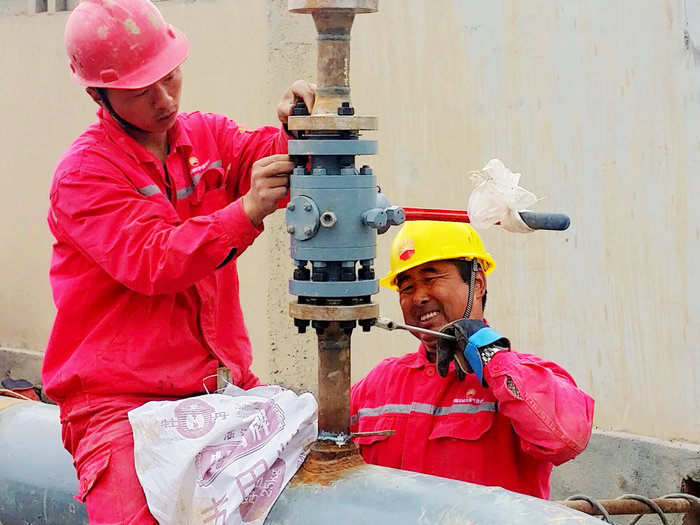
Correct ball valve installation ensures long-term reliability and minimizes downtime. Always follow the manufacturer’s guidelines, use proper tools, and verify the system’s cleanliness before operation. When combined with regular maintenance, these precautions will extend the service life of your valve.
Keywords: ball valve installation guidelines, ball valve installation precautions, ball valve diagram, ball valve flow direction, pipeline valve installation steps, ball valve maintenance tips.